


Custom hoodies are booming in streetwear and kids clothing, but the wrong customization can ruin a garment. Will your design crack, sag, or feel scratchy? Learn how embroidery, screen printing, and patches impact durability and comfort, and discover the best method for your fabric and design.
The Premium Appeal of Direct Embroidery
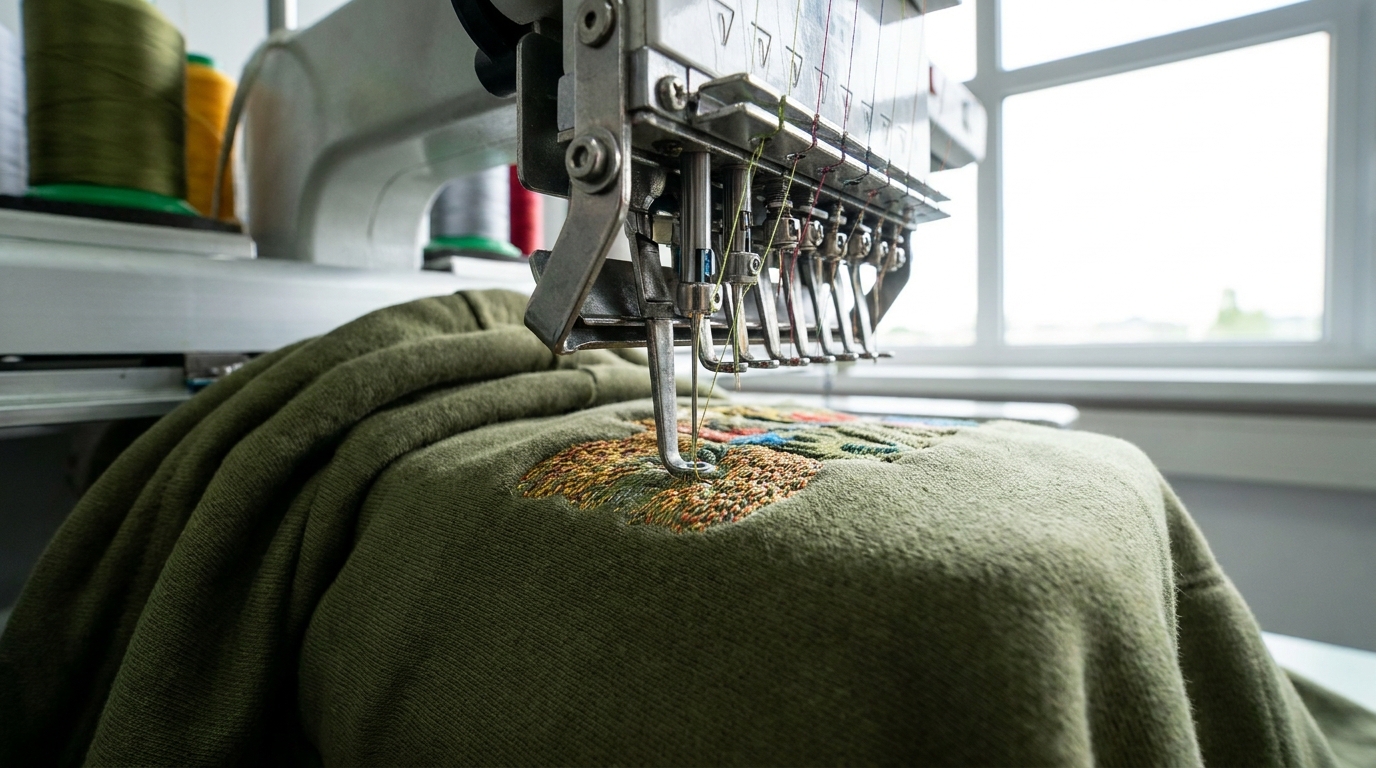
Direct embroidery adds a high-end, textured finish to hoodies and stands up incredibly well to heavy wear. Unlike some applied graphics, stitched designs resist peeling and fading. This durability is essential for active wear and kids clothing, which goes through frequent, heavy laundry cycles.
The type of thread used impacts the final result. Polyester embroidery threads are generally superior to cotton threads for retaining dye. If your design features bold colors like deep navy or bright red, polyester ensures the colors remain vibrant wash after wash. At Honry Kidswear, our laboratory testing rigorously assesses trims and threads to guarantee this long-lasting performance.
Optimal Placements for Stitched Designs
Because stitching adds weight, direct embroidery works best for small, minimal designs. Large embroidered graphics can make the garment uncomfortable. Instead, focus on strategic placements that elevate the hoodie’s look.
- Left-chest logos: A classic placement for brand identity.
- Sleeve cuffs: Ideal for subtle branding or small icons.
- Back-neck initials: Adds a custom touch without overwhelming the garment.
Managing Fabric Weight and Comfort
Applying dense embroidery to a lightweight hoodie introduces significant risks. Heavy stitching can cause thin fabrics to sag, pull, or pucker around the design, creating a stiff, bulky area on the chest or back. In children’s apparel, this stiffness often leads to wardrobe rejection.
Always consider the embroidery backing. Poor-quality backing can feel scratchy against sensitive skin. Pre-testing backing materials ensures the inside of the hoodie remains as comfortable as the outside.
Screen Printing: Maximizing Impact for Large Graphic Artwork
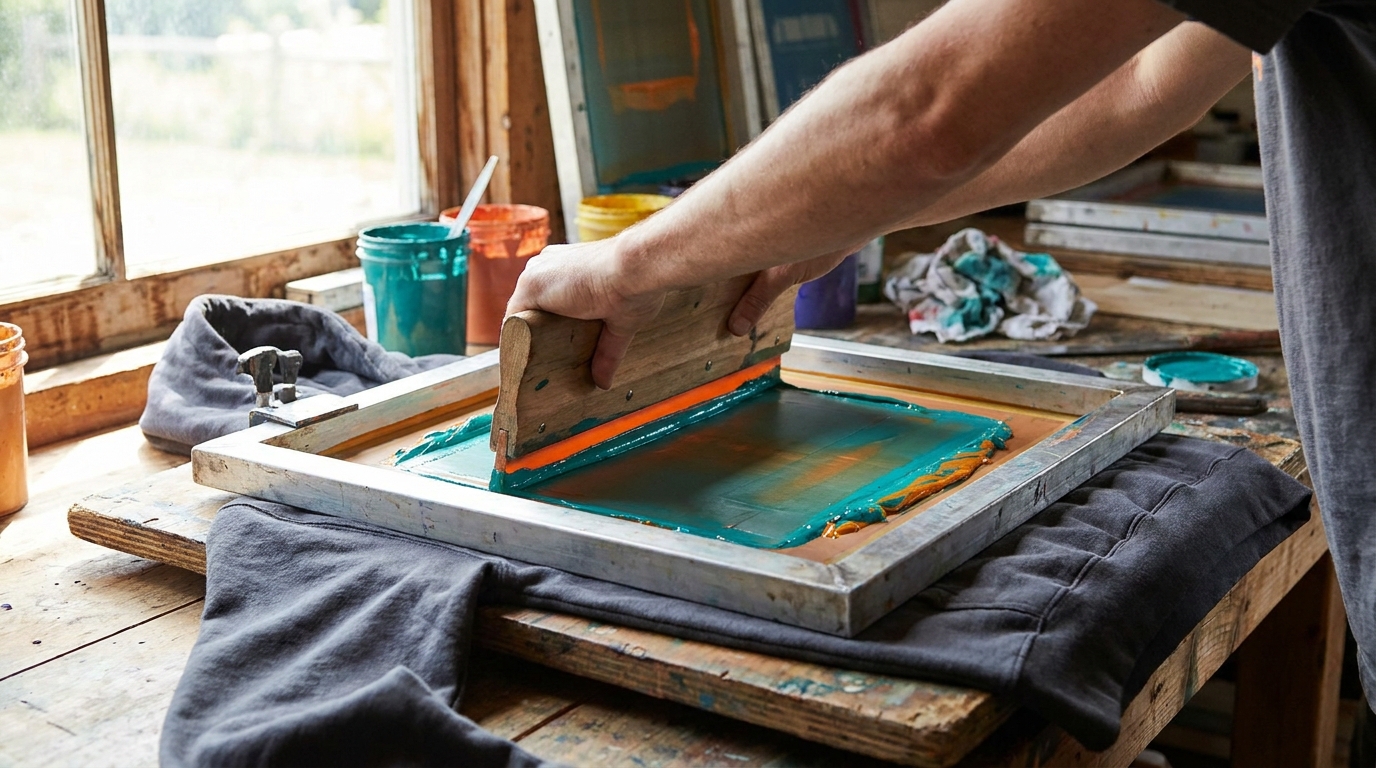
If your design requires a massive graphic across the chest or back, screen printing is the ideal choice. This method applies a thin layer of ink directly onto the fabric, keeping the hoodie lightweight and comfortable even when the artwork covers a huge surface area. It consistently delivers vibrant, solid colors that instantly grab attention.
Cost-Effective Bulk Production
For brands planning large inventory runs, traditional screen printing offers unbeatable value. Once custom screens are created, printing hundreds or thousands of garments becomes incredibly fast. With 30 years of OEM/ODM experience, we often recommend this method to maximize production budgets without sacrificing visual impact.
Preventing Fading and Cracking
The longevity of a printed hoodie depends entirely on the ink. Low-grade inks often crack, peel, or fade after just a few washes. High-quality screen printing ink ensures the graphic survives heavy wear and frequent laundry cycles. Rigorous laboratory testing verifies that the printed artwork maintains its flexibility and colorfastness over time.
Choosing the Right Print Technology
It is important to match your specific artwork style to the correct printing method. While screen printing is fantastic for striking, block-color designs, it is not always the best tool for every job.
| Feature | Traditional Screen Printing | Direct-to-Garment (DTG) Printing |
|---|---|---|
| Best Use Case | Bold, large-scale, solid-color graphics | Complex, highly detailed artwork |
| Color Gradients | Requires complex halftones; less ideal for smooth blends | The industry standard for smooth, photographic gradients |
| Volume Efficiency | Highly cost-effective for bulk production runs | Better suited for small batches or one-off prints |
Adding Texture and Personality with Patches
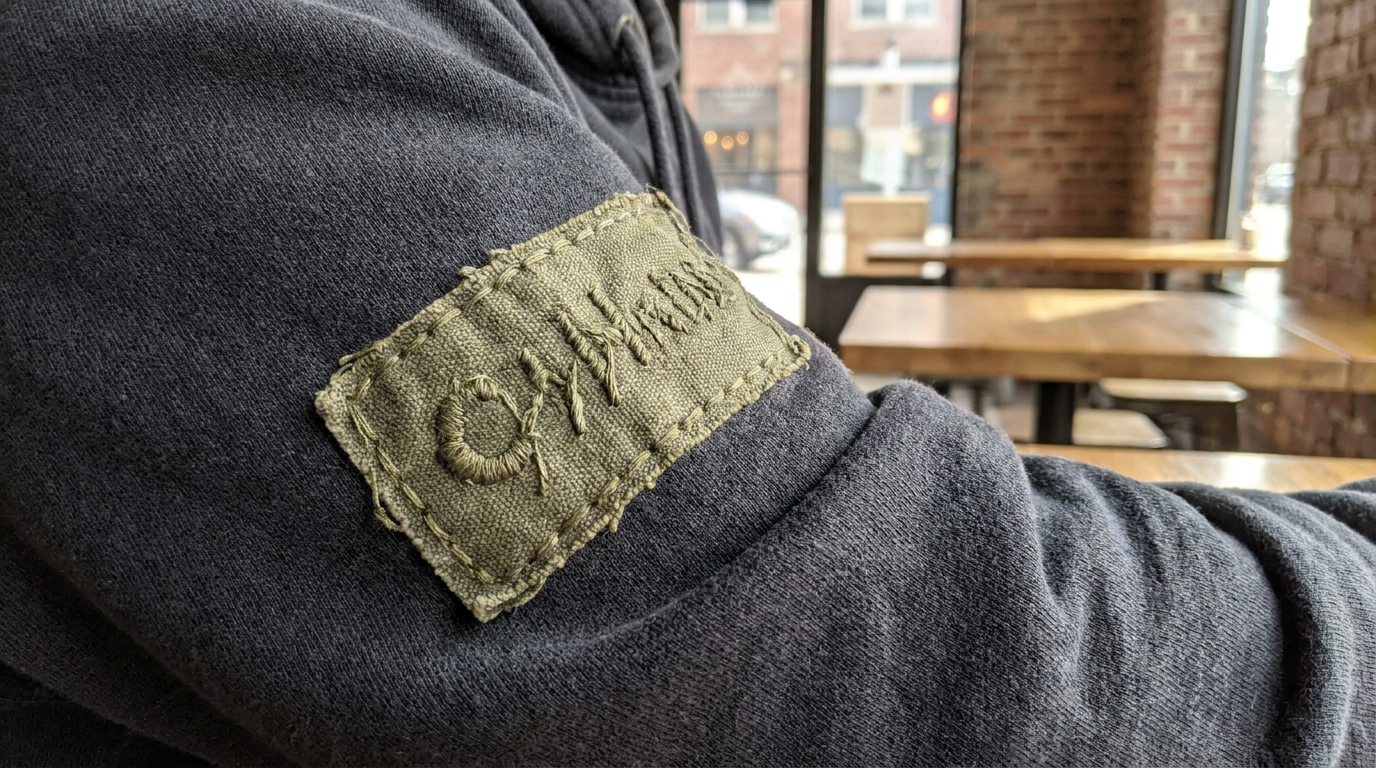
Patches offer a unique way to add texture, dimension, and personality to custom hoodies. They stand out from the fabric, creating a bold, three-dimensional aesthetic.
Patches also solve the sagging issues associated with heavy embroidery. They provide a premium, structured look without pulling the underlying garment. Because the patch itself holds the dense stitching, the hoodie fabric remains relaxed and comfortable.
Choosing the Right Materials and Application
The cost and final look of a patch depend heavily on the chosen materials and application methods. Your choice should match the garment’s purpose.
- Embroidered patches: Deliver a classic, textured look similar to direct stitching.
- Woven patches: Use finer threads, allowing for more detailed and intricate logos.
- PVC patches: Offer a durable, waterproof, rubberized feel perfect for modern streetwear.
Application methods also matter. Sewing a patch provides maximum durability, making it ideal for active kids clothing. Heat pressing offers a faster application but may weaken over repeated hot washes.
Strategic Placement Over Uneven Surfaces
Patches are highly versatile when it comes to placement. Screen printing often struggles to lay flat over uneven surfaces, but patches can be securely attached over seams, near zippers, or directly onto kangaroo pockets. Our comprehensive OEM/ODM services include precise patch application to ensure your embellishments stay secure.
Key Decision Factors for Hoodie Customization
Selecting the right embellishment method requires balancing the artwork style, fabric properties, wearer’s habits, and production budget.
Design Size and Complexity
Direct embroidery offers a premium finish but is best restricted to small surface areas and minimal designs. It excels for brand logos and simple symbols. If your vision includes expansive, vibrant graphic artwork covering the front or back, screen printing is the optimal method.
Fabric Weight Compatibility
The weight of your chosen fabric dictates which customization techniques it can support. Heavyweight fleece provides a sturdy foundation for dense embroidery. For thinner cotton fabrics, rely on lighter techniques like screen printing to maintain the hoodie’s natural drape and prevent sagging.
End-User Wear and Tear
Consider who will wear the hoodie and how they will use it. Children subject clothing to extreme wear through running, rolling, and frequent spilling. As an experienced kids clothing manufacturer, we ensure that embellishments withstand heavy daily use. Always pre-test backing materials to prevent scratchy textures that irritate sensitive skin.
Budget and Volume
Your production volume heavily influences the most practical customization choice. Embroidery involves specific digitizing setup costs and longer machine run times, making it ideal for premium collections. Conversely, screen printing is highly cost-effective for bulk manufacturing, maximizing efficiency for large-scale orders.
Common Customization Mistakes and Quality Assurance
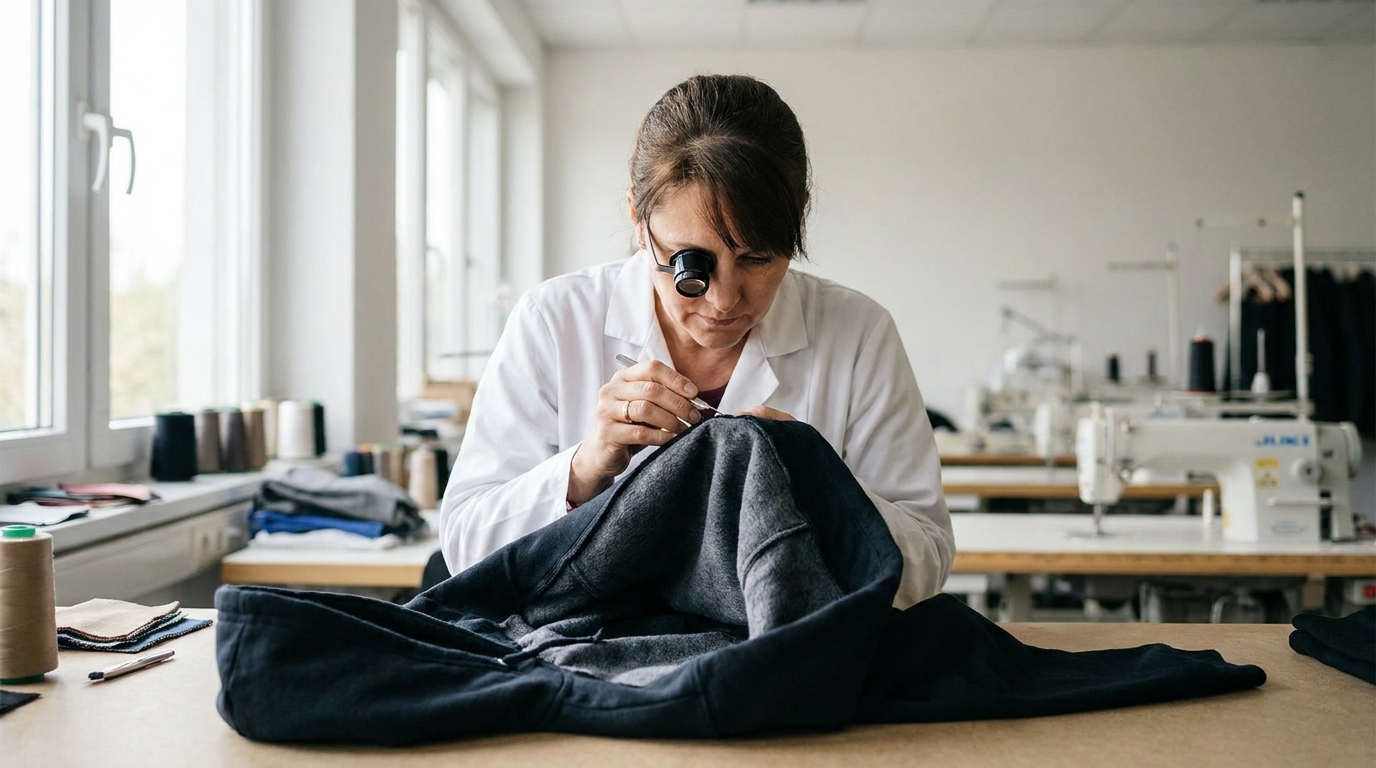
Even the best designs fail if the hoodie is uncomfortable. Poor execution ruins both the garment’s look and its wearability.
Frequent Embellishment Errors
- Scratchy embroidery backing: While backing stabilizes dense stitches, poor-quality materials feel stiff and irritate sensitive skin. For children, this discomfort quickly leads to wardrobe rejection.
- Misjudged fabric tension: Applying custom designs requires precise fabric handling. If a hoodie is pulled too tightly during stitching, the surrounding area will pucker once released. Improper tension during screen printing creates distorted graphics that warp permanently after washing.
Ensuring Consistent Production Quality
Preventing these issues requires strict quality control and rigorous laboratory testing throughout the entire production process. We provide comprehensive OEM/ODM services to prevent costly errors. Our advanced testing facilities assess fabrics, trims, and finished products, monitoring quality from the raw materials warehouse to the cutting, sewing, and ironing areas. This continuous inspection ensures every detail meets strict safety, durability, and comfort standards.
Frequently Asked Questions About Hoodie Customization Techniques
Which customization method is best for large hoodie graphics?
Screen printing is the most effective choice for large-scale artwork. It applies a thin layer of ink, keeping the garment lightweight and flexible. It is also highly cost-effective for bulk manufacturing, making it ideal for large inventory runs featuring bold, solid colors.
Why should I avoid heavy embroidery on lightweight hoodies?
Applying dense stitching to thin fabric causes the material to sag, pull, and pucker. This creates a stiff, bulky area that ruins the hoodie’s natural drape and can make the garment uncomfortable to wear.
How can I prevent screen-printed designs from fading or cracking?
The longevity of a screen-printed hoodie depends on the ink quality. To ensure your graphics survive heavy wear and frequent washing, use high-quality screen printing inks. Partnering with a manufacturer that conducts rigorous laboratory testing will verify that your printed artwork maintains its colorfastness over time.
What makes patches a good alternative to direct embroidery?
Patches provide a bold, textured look without pulling or distorting the underlying fabric. They are also highly versatile and can be securely applied over uneven surfaces like seams, zippers, or kangaroo pockets where traditional screen printing often struggles.
Should I use polyester or cotton threads for embroidered logos?
Polyester embroidery threads are generally superior because they retain dye better. They ensure bold colors remain vibrant through frequent laundry cycles, which is essential for activewear and kids clothing.
Conclusion
Embroidery provides a durable, premium feel, while screen printing handles large, bold designs. Patches add unique texture. The best choice depends on your artwork, fabric, and comfort needs. Partnering with an expert OEM/ODM manufacturer ensures flawless execution for long-lasting apparel.
- Review your design size and fabric weight.
- Request a fabric test sample for your project.
- Contact us to discuss custom manufacturing solutions.
