

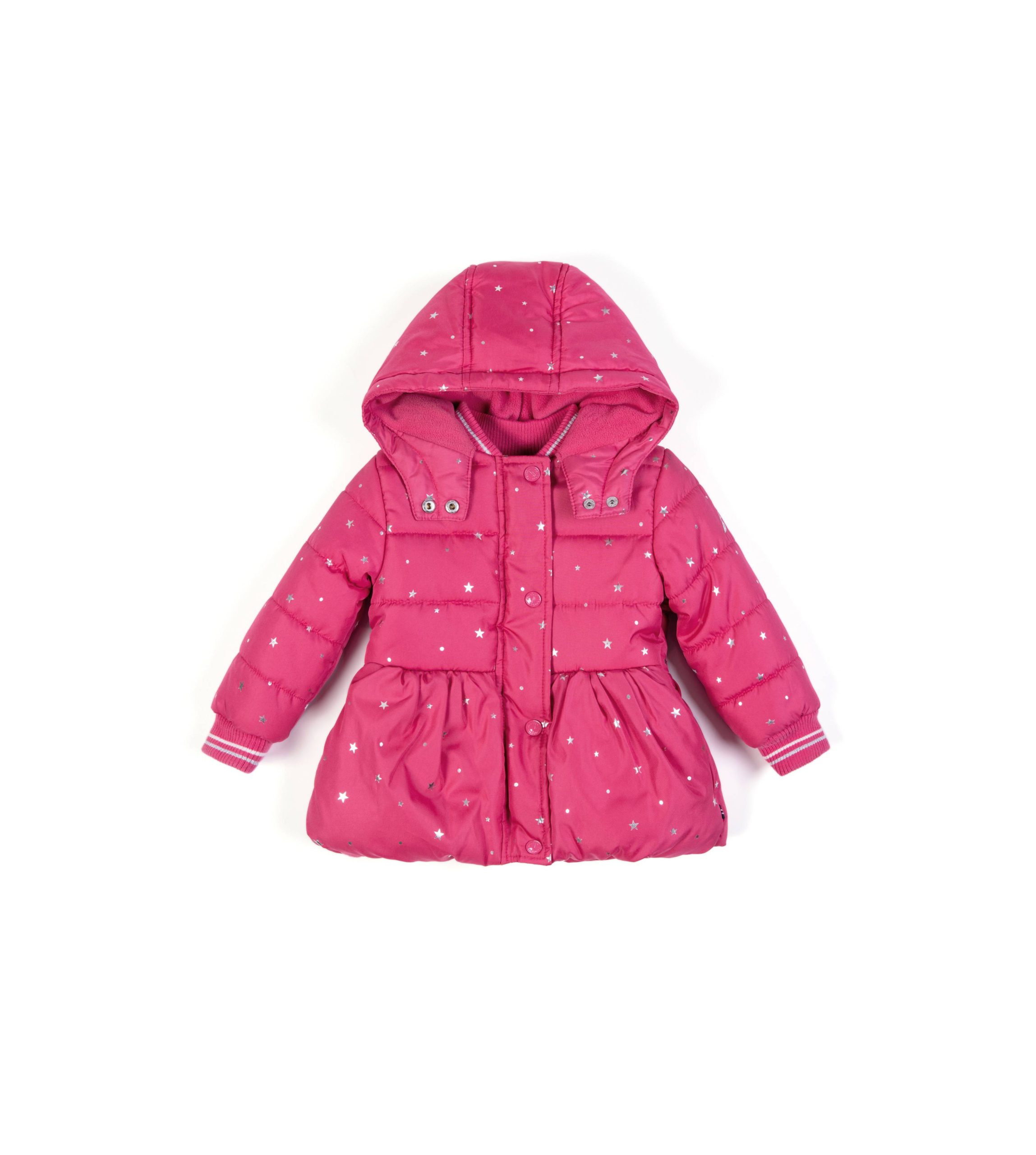

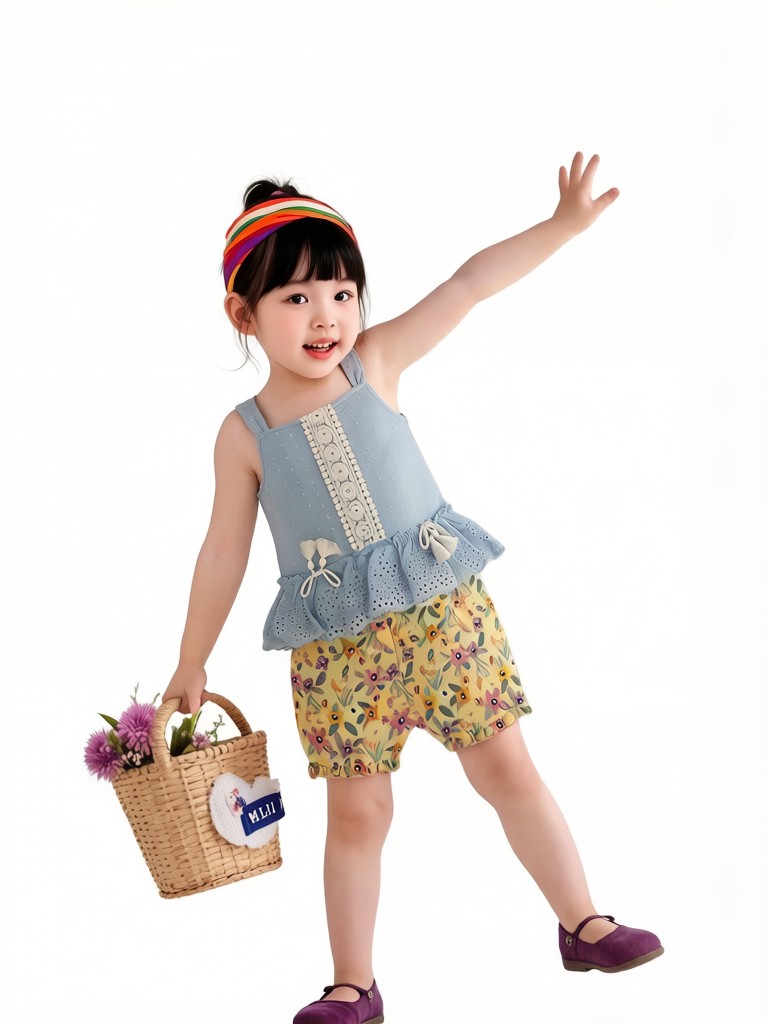
Are you tired of buying winter coats that only fit for one season?
Kids grow fast, making winter shopping a real challenge.
A perfect fit keeps your child warm and mobile.
In this post, you will learn how to choose the right size kids puffer jacket.
Why Finding the Perfect Fit for Kids Jackets is Crucial

You already know that kids grow fast. Buying a winter coat that lasts more than one season is tough. But before we look at sizing charts, we need to understand why the right fit matters so much. A proper fit goes far beyond just looking good.
Insulation and Warmth
Let’s start with warmth. Puffer jackets trap body heat inside their filling. If a jacket is too large, cold air easily sneaks in through the hem and cuffs. This defeats the entire purpose of wearing a thick coat.
On the other hand, a jacket that is too small causes problems, too. Tight fabric compresses the down or synthetic fill. When you crush this insulation, it cannot trap air. Your child ends up freezing. At Honry Kidswear, we rigorously test fabrics for safety and performance. With over 30 years of experience manufacturing Kids Jackets, we know that even the best materials fail if the garment fits poorly.
Mobility and Comfort
Kids need to move. They run, climb, and play hard outdoors. A poorly fitting coat ruins their fun. Heavy, oversized coats drag them down. Younger children often find bulky coats exhausting to wear.
You want a jacket that allows a full range of motion. Try the “Hug Test” at home. Have your child hug themselves while wearing the coat. If the fabric pulls tight across their back, it is too small. They should also be able to lift their arms completely. The jacket must not restrict their torso rotation during active play.
Car Seat Safety
Safety is the most critical factor. This is especially true for younger children riding in car seats. Thick, bulky Kids Padded Jackets are dangerous in a vehicle. In a crash, the fluffy padding compresses flat. This leaves the harness dangerously loose. Your child could slip right out of the seat.
How do you check for a safe fit? Use the “Pinch Test.”
- Put the jacket on your child and buckle them into the car seat.
- Tighten the harness straps normally.
- Take your child out without loosening the straps.
- Take the jacket off, put your child back in, and buckle up again.
If you can pinch the harness webbing between your fingers, the jacket is too bulky. The general rule is simple: compress the puff or remove heavy coats entirely before buckling up.
| Fit Issue | Consequence | How to Test |
|---|---|---|
| Too Large | Cold air enters, bulky, restricts play | Check for gaps at cuffs and hem |
| Too Small | Compresses insulation, limits movement | Use the “Hug Test” and arm lift |
| Too Bulky | Creates dangerous slack in car seats | Use the “Pinch Test” on the harness |
Decoding Age and Size Categories for Children’s Outerwear
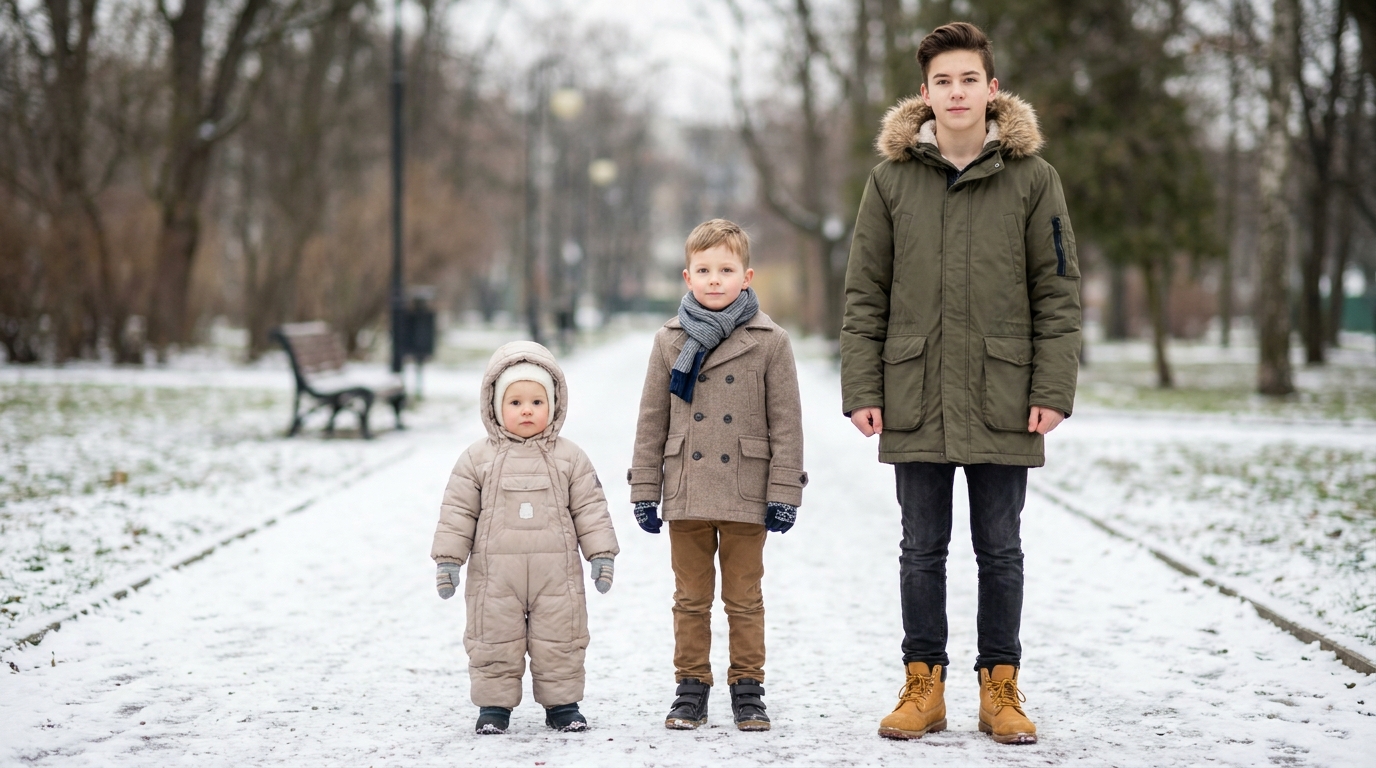
Knowing how to test a jacket for safety and mobility is a great start. Before you can even do the “Pinch Test” or “Hug Test,” you need to pick the right size off the rack. This is where things often get confusing. A size 6 in one brand might fit completely differently than another. To figure out how to choose the right size kids puffer jacket, we must break down sizing by developmental stage.
Babies and Toddlers (0-36 months)
For infants and toddlers, you are looking at sizes ranging from newborn (00M) up to 36 months. Comfort and convenience rule at this stage. You want soft, flexible materials. Stiff fabrics easily frustrate babies during dressing. Look for pramsuits or snowsuits for the youngest infants. They make quick diaper changes much easier.
As they grow into toddlers (sizes 2T-4T), they start walking and running. You will transition them into active-wear puffers. Remember our earlier point about car seats. Bulky outerwear is highly dangerous here. Choose lightweight down or high-quality synthetic insulation. They keep babies incredibly warm without adding unsafe bulk.
Children (2-14 years)
Once your child hits preschool, sizing shifts dramatically. You move away from age-based months into standard numerical charts. You will see new categories like Little Kid (4-7) and Big Kid (8-16). This sizing transition often confuses many parents. A size 4T is not always the same as a regular size 4.
Height and weight become your best metrics. Always check the specific size chart of the brand. Kids this age play hard outdoors. They need highly durable outerwear. At Honry Kidswear, we conduct thorough fabric testing throughout production. From our raw materials warehouse to the cutting area, we ensure all materials meet strict safety and durability standards.
When picking a size here, use the “Two-Finger” rule. Leave enough space between the child’s body and the jacket. You should easily fit two fingers inside. This leaves perfect room for thick wool jumpers or fleece sweatshirts underneath.
Teens (10-16 years)
Teen sizing brings entirely new challenges. Growth spurts happen incredibly fast. A coat fitting perfectly in October might be too short by February. You must account for these rapid changes. Teens also start developing adult-like proportions. Their shoulder width and arm length increase quickly.
Pay close attention to sleeve length. The cuff should hit just past the wrist bone. It should never cover the palm entirely. Elasticated ribbed cuffs are great features here. They stop sleeves from sliding down if you size up slightly for growth margin.
Style also matters heavily to teens. Oversized, boxier fits are trending right now. This trend makes sizing up slightly easier to get away with. They get extra room to grow while still looking stylish.
| Age Group | Size Range | Key Sizing Focus | Best Jacket Style |
|---|---|---|---|
| Babies & Toddlers | 00M – 36 months, 2T-4T | Ease of dressing, safe car seat fit | Pramsuits, thin active puffers |
| Children | 4-14 years | Durability, room for mid-layers | Standard puffers, parkas |
| Teens | 10-16 years | Sleeve length, rapid growth margins | Boxier fits, longline puffers |
Essential Measurements: How to Choose the Right Size Kids Puffer Jacket

We just explored how sizing changes as your child grows from a toddler to a teen. You know they need room for growth and mid-layers. Now, we need to get highly specific. You need actual numbers to make the right choice. Grabbing a measuring tape is the best way to figure out how to choose the right size kids puffer jacket.
At Honry Kidswear, our advanced production technology relies on precise measurements. We ensure consistent quality across our cutting and quilting areas. You should apply this exact same precision at home before buying outerwear.
Height: Your Most Reliable Sizing Indicator
Age is often a misleading metric. Height serves as the most accurate indicator for children’s outerwear. Measure your child from head to toe. Have them stand flat against a wall. Do not let them wear shoes during this process. Compare this exact number directly to the brand size chart.
Kids often grow two to three inches over a single winter season. If their height falls between two sizes, always size up. This strategy provides a necessary growth margin. It prevents the jacket from becoming too short by February. Proper height also dictates correct hem placement. A standard puffer should hit right at the hip. A longer parka style must reach the mid-thigh. This keeps legs warm without restricting their movement.
Chest Width: Leaving Room for Layers
Next, you must measure the chest. Wrap the tape measure around the fullest part of their chest. Keep the tape parallel to the floor. Do not pull it too tight. You want enough room to zip the coat comfortably.
As we covered earlier, kids need space for thick hoodies or thermal layers. Apply the “Two-Finger” rule here. You should easily slide two fingers between the zipped jacket and their chest. If it feels too tight, the fabric compresses the insulation. Compressed fill loses its ability to trap body heat.
Sleeve Length: Sealing Out the Cold
Sleeve length directly impacts both warmth and daily play. Measure from the top of the shoulder down to the wrist. The cuff must hit just past the wrist bone. It should never cover the palm entirely.
Long sleeves constantly bunch up. They get in the way of active play and frustrate children. Short sleeves expose bare skin to freezing air. Look for designs featuring elasticated or ribbed cuffs. These clever cuffs stop the sleeve from sliding over the hands. They keep snow out and lock warmth in, even if you sized up slightly for growth.
Shoulder Width: Ensuring Freedom of Movement
Finally, check the shoulder width carefully. Measure across the back from one shoulder point to the other. The shoulder seams of the jacket must align perfectly on your child’s natural shoulder line.
If the seams drop too far down the arm, the coat is too big. If they pull closer to the neck, it is too small. Proper shoulder alignment ensures optimal movement. Remember the “Hug Test” we discussed earlier? A well-fitted shoulder allows your child to lift their arms easily. They can rotate their torso without any restriction.
| Measurement Point | How to Measure | Perfect Fit Indicator |
|---|---|---|
| Height | Head to toe against a flat wall | Hem hits the hip (standard) or mid-thigh (parka) |
| Chest Width | Around the fullest part of the chest | Fits two fingers beneath the zipped front |
| Sleeve Length | From shoulder top down to the wrist | Cuff hits just past the wrist bone, not the palm |
| Shoulder Width | Across the upper back between shoulders | Jacket seams rest directly on natural shoulder points |
The “Layering Rule”: Should You Size Up Kids Padded Jackets?
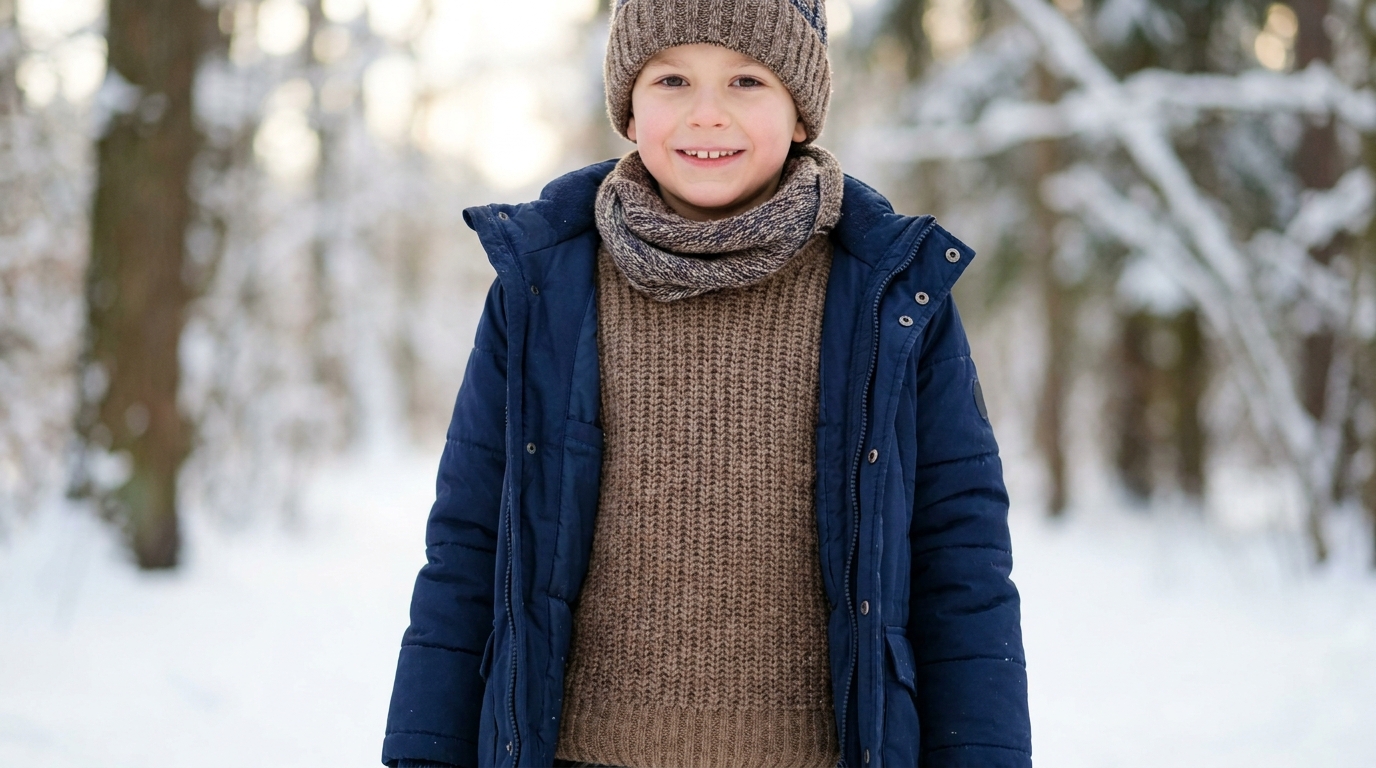
You just learned how to take precise measurements for height, chest, and sleeves. But numbers on a tape measure only tell half the story. When figuring out how to choose the right size kids puffer jacket, you must also consider what goes underneath. Parents constantly debate whether to buy a larger size. You want the coat to last, but you also need it to keep them warm today. Let us break down the layering rule.
The Pros and Cons of Sizing Up
Buying a size up feels like a smart move. Kids grow two to three inches every winter. A larger coat easily lasts multiple seasons. It also gives them plenty of room for heavy sweaters.
However, going too big creates real problems. Cold air blows right up a loose hem. Extra fabric bunches at the arms. This makes running and climbing difficult. At Honry Kidswear, our R&D team uses sustainable materials to build durable outerwear. We know a coat only performs well if it fits correctly right now. A sloppy fit defeats the purpose of buying high-quality winter gear.
| Strategy | Pros | Cons |
|---|---|---|
| True to Size | Traps heat perfectly, allows full mobility, safer for play | Might only last for one winter season |
| Sizing Up | Lasts multiple seasons, easily accommodates thick layers | Cold drafts enter, sleeves bunch up, restricts active play |
Accounting for Thick Winter Layers
Winter weather requires layers. Your child will wear hoodies, cardigans, or thermal base layers. You must account for these items before picking a final size for Kids Padded Jackets.
Never test a new coat over a thin t-shirt. Have your child put on their thickest winter sweater first. Then, put the jacket on over it. As we covered earlier, apply the “Two-Finger” rule here. Slide two fingers beneath the zipped front. The coat should fit over the sweater smoothly. It must not compress the inner insulation. Compressed fill loses its ability to trap body heat.
The Pinch Test for Layering
We previously discussed using the Pinch Test for car seat safety. You can use a similar method to check their layering space. This simple test ensures they have enough extra room without swimming in excess fabric.
First, zip the jacket completely over their thickest winter layers. Next, grab the fabric at the side of their waist. Try to pinch it between your thumb and index finger.
- Perfect Fit: You can easily pinch about one inch of extra fabric.
- Too Tight: You cannot grab any material. The coat will restrict their movement.
- Too Loose: You grab a massive handful of fabric. They will lose vital body heat.
Kids Jackets vs. Kids Padded Jackets: Does Style Affect Sizing?
You just tested the fit over thick sweaters using the layering pinch test. But what if the coat itself takes up all that extra room? When figuring out how to choose the right size kids puffer jacket, you must look closely at the design. Not all outerwear fits the same. Style heavily affects sizing.
Understanding Lightweight vs. Heavy Insulation
Lightweight kids jackets work great for mild autumn days. They use thin outer shells and minimal lining. This design leaves plenty of internal space. You can usually buy their true size without worrying about a tight fit.
Heavily insulated kids padded jackets completely change the game. They pack thick layers of synthetic fill or natural down inside. This padding pushes inward against your child. It steals valuable internal space. A size 8 unlined windbreaker feels roomy. A size 8 heavy snowsuit might feel completely tight on the exact same child.
How Fill Power Changes Internal Dimensions
You must consider the padding itself. Fill power measures how much space the insulation takes up. Higher fill power traps more heat using less bulk. This makes the coat lighter and easier to move in.
Thick quilting also alters the internal dimensions. Deep stitched pockets hold the fill in place. This creates a highly puffy interior. This puffiness reduces the actual room inside the garment. At Honry Kidswear, our R&D department continuously innovates using advanced technology. We ensure high precision in every single garment. Our custom designs balance high fill power with accurate internal sizing. The padding keeps kids warm without stealing their mobility.
Adjusting Your Size Choice for Style and Climate
You must adjust your sizing strategy based on the specific cut. You also need to think about the local climate. A mid-season blouson fits closer to the body. You want this snug fit to block light winds effectively.
Freezing climates require heavy-duty parkas. As we covered earlier, a parka reaches the mid-thigh for maximum heat retention. Because these styles use thicker insulation, you might need to size up. This guarantees enough room for winter sweaters without compressing the inner fill.
Teen trends also play a major role here. Boxier, oversized fits are highly popular right now. These styles naturally offer a generous cut. You usually do not need to size up for an oversized style.
| Jacket Style | Internal Bulk | Climate Use | Sizing Adjustment |
|---|---|---|---|
| Lightweight Shell | Very Low | Mild autumn/spring | Stay true to size |
| Standard Puffer | Medium | Standard winter days | Size up if between sizes |
| Heavy-Duty Parka | High | Sub-zero temperatures | Consider sizing up for thick layers |
| Oversized/Boxy Fit | Medium to High | Trendy winter wear | Stay true to size (already roomy) |
How Manufacturer Quality and Fabric Testing Impact Jacket Sizing
You just learned how different styles and thick insulation change the internal room of a coat. But even if you pick the perfect style and measure correctly, a poorly made coat ruins everything. Figuring out how to choose the right size kids puffer jacket means looking closely at how it is built. Manufacturer quality directly controls how a jacket fits on day one and day one hundred.
Consistent Sizing Through Advanced Technology
Have you ever bought two identical coats in the same size, only to find they fit differently? This frustrating problem happens when brands lack strict manufacturing controls. Consistent sizing requires incredibly high precision. At Honry Kidswear, we bring over 30 years of experience in garment manufacturing to solve this exact issue.
We leverage advanced production technologies in our cutting and sewing areas. This exact precision ensures every single garment matches its design specifications perfectly. A size 8 will always fit exactly like a size 8. You can trust the size chart because our production process guarantees a standardized, reliable fit every single time.
Shape Retention After Washing
A jacket might fit perfectly in the store. But what happens after the first wash? Kids get dirty constantly, and winter coats need regular cleaning. If the fabric shrinks or warps, that perfect fit disappears instantly. The sleeves become too short, and the chest gets dangerously tight.
We prevent this disaster through rigorous laboratory testing. Our advanced testing facilities assess fabrics, trims, and finished products long before they reach you. We test materials thoroughly in our raw materials warehouse to ensure they hold their shape. This intense quality assurance means the coat will not shrink, warp, or lose its size after a harsh wash cycle.
Sustainable Materials that Hold Their Fit
The materials inside the coat matter just as much as the outside shell. Cheap fabrics stretch out and sag over time. This sagging completely ruins the fit and leaves cold gaps around the hem. Your child loses vital body heat.
Our dedicated R&D team solves this by using sustainable materials and eco-friendly production processes. These functional fabrics do much more than protect the environment. They maintain their structural integrity season after season. A durable, eco-conscious shell keeps the internal dimensions highly stable. It supports the heavy insulation without stretching out of shape during active winter play.
Expert Craftsmanship Prevents Insulation Shifting
We covered earlier how fill power affects the internal space of a garment. If that padding shifts around, the fit changes drastically. Cheap coats often suffer from clumping insulation. All the padding falls down to the bottom hem. This leaves the shoulders tight and freezing, while the waist becomes overly bulky.
Expert craftsmanship prevents this uncomfortable problem. In our specialized quilting area, we use advanced technology to lock the insulation firmly in place. Precise stitching keeps the down or synthetic fill evenly distributed across the entire body. This prevents the padding from shifting or clumping together. As a result, the internal sizing remains perfectly consistent over time. Your child stays warm, and the jacket keeps its original, comfortable fit.
| Manufacturing Process | Quality Action | Impact on Jacket Sizing |
|---|---|---|
| Cutting & Sewing | Advanced technology ensures high precision | Guarantees consistent, standardized sizing across all units |
| Laboratory Testing | Rigorously tests fabrics and trims | Prevents shrinking and warping after washing |
| Material Selection | Uses durable, sustainable fabrics | Maintains structural integrity and prevents sagging |
| Quilting | Locks insulation evenly in place | Stops fill from shifting and altering internal dimensions |
Conclusion
Finding the perfect fit means measuring accurately and allowing room for winter layers. Always check the brand’s specific size chart. You should prioritize high-quality Kids Padded Jackets for ultimate safety. Trusted manufacturers with decades of experience guarantee consistent sizing and durability.
- Measure your child’s height and chest today.
- Compare these exact numbers to the official size guide.
- Select a jacket crafted from rigorously tested materials.
Frequently Asked Questions About Kids Puffer Jackets
Should I buy a larger size for my child’s winter jacket?
You should generally size up when buying a winter coat. Kids can grow two to three inches in one season. A larger size leaves room for thick layers like hoodies. However, do not buy a jacket that is too huge. An oversized jacket can cause younger toddlers to trip often. Look for brands offering grow-cuffs to extend the sleeve length.
Can my child wear a thick puffer jacket in a car seat?
No, wearing a thick puffer in a car seat is unsafe. The bulky padding prevents the harness from securing your child. You should perform the simple pinch test to check this. If you can pinch the harness webbing, it is too bulky. Instead, remove the heavy jacket before buckling your child up. You can place the coat over them like a blanket.
How do I know if the puffer jacket is too small?
You can easily test the fit using the hug test. Ask your child to cross their arms and hug themselves. If the back fabric feels tight, the jacket is too small. Pulling at the shoulder seams also indicates a poor fit. Next, check the sleeve length while their arms are down. The cuffs should hit just past the child’s wrist bone.
Should I choose a short puffer jacket or a long parka?
A standard puffer jacket usually hits right at the hip. This shorter style offers great mobility for highly active play. Puffers provide an excellent weight-to-warmth ratio for running around outside. Meanwhile, a longline parka reaches down to the mid-thigh area. Parkas provide better wind protection for waiting at bus stops. Choose the style that best matches your child’s daily activities.
How can I ensure the winter jacket is safe and durable?
You must choose garments made by trusted and experienced manufacturers. Honry Kidswear has over thirty years of garment manufacturing experience. They conduct rigorous laboratory testing on fabrics and finished products. This ensures every jacket meets the highest safety and performance standards. Their eco-friendly production processes also use sustainable and safe materials. Always check for quality hardware and secure stitching before buying.
- Measure your child’s chest and arms before ordering online.
- Leave a two-finger gap for thick winter layers.
- Test arm mobility to prevent restrictive shoulder seams.
- Remove bulky jackets prior to securing car seat harnesses.
