


Are you launching a new children’s apparel line? Finding the right production partner is critical.
Garment quality, safety, and costs will directly impact your brand’s reputation and success.
In this guide, you will learn exactly how to choose a reliable kids’ clothing manufacturer.
Why Source from a Kids Clothing Supplier China?
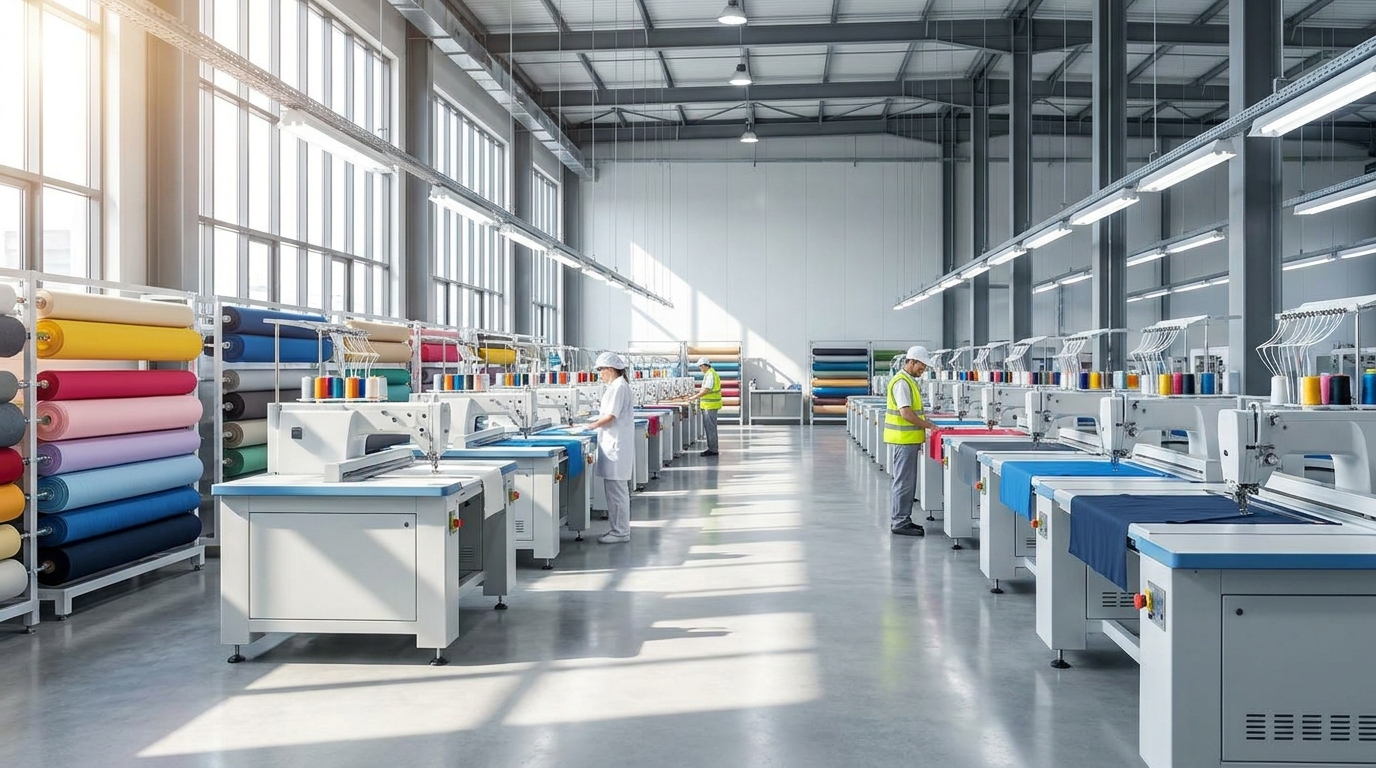
As we covered earlier, finding the right production partner directly impacts your brand reputation. When you start looking for this partner, costs matter. Many brands turn to a kids clothing supplier China to maximize their budget. Chinese factories operate on massive scales. They buy raw materials in huge volumes. This lowers the per-unit cost for your brand. For example, a basic cotton onesie might cost $1.50 to $3.00 per unit. Denim pants often range from $5.00 to $10.00. You get competitive pricing without sacrificing fabric quality.
Advanced Supply Chain Infrastructure
The local supply chain is incredibly robust. Factories have immediate access to premium fabrics, child-safe dyes, and specialized trims. You do not wait weeks for zippers to arrive from another country. Everything you need sits right next door. At Honry Kidswear, we leverage over 30 years of garment manufacturing experience. Our established local networks mean faster sampling and production. We source breathable cotton and bamboo materials quickly. This keeps your production schedule strictly on track.
Technological Integration
Modern manufacturing goes far beyond basic sewing machines. Top factories use advanced textile technology. They integrate precision digital pattern-making software daily. This ensures perfect sizing across all age groups, from infants to older youth. Enterprise Resource Planning (ERP) systems track every fabric roll. This technology reduces material waste significantly. It also guarantees consistent grading between different production batches.
Compliance with International Standards
Children’s delicate skin is highly sensitive. Global safety regulations are extremely strict today. A reliable school uniform manufacturer must follow these rules perfectly. Leading Chinese suppliers strictly adhere to international safety standards. They test fabrics for lead, phthalates, and formaldehyde. They ensure sleepwear meets strict flammability rules like CPSIA. They also hold vital certifications like OEKO-TEX and GOTS. This guarantees non-toxic dyes and ethical production practices. You can sell your products confidently in any market.
| Manufacturing Advantage | Direct Impact on Your Brand | Real-World Example |
|---|---|---|
| Economies of Scale | Lowers per-unit production costs. | Fleece hoodies priced at $4.00 to $8.00 per unit. |
| Local Supply Chain | Reduces material sourcing delays. | Accessing organic cotton and custom buttons in days. |
| Digital Pattern-Making | Prevents sizing discrepancies. | Consistent fit between 2T and 8Y toddler sizes. |
| Safety Compliance | Prevents costly product recalls. | Providing third-party REACH and CPSIA test reports. |
Types of Children’s Apparel to Consider for Your Brand
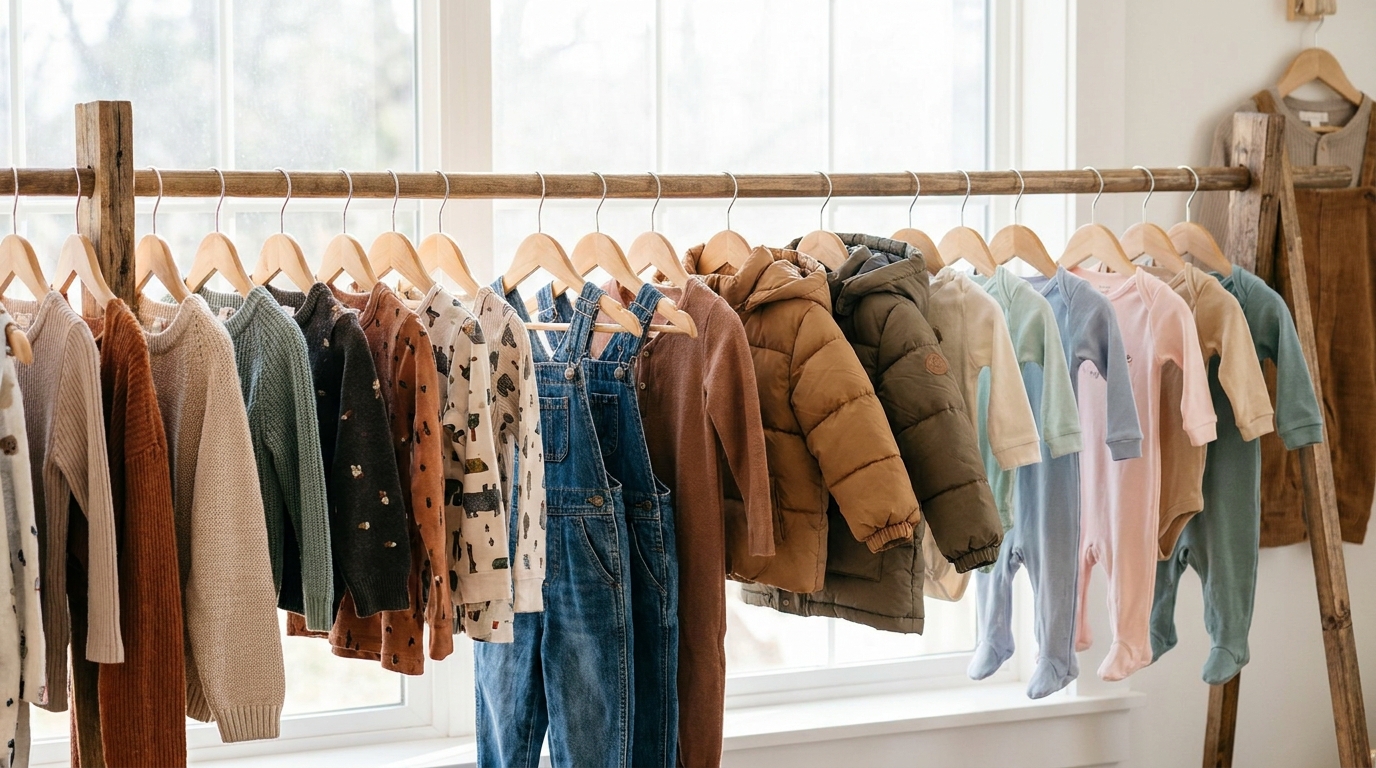
As we covered earlier, strict safety compliance and advanced manufacturing ensure your products meet global standards. Now, you must decide exactly what those products will be. When figuring out how to choose a reliable kids’ clothing manufacturer for your brand, their specific product expertise matters immensely. A factory excelling in basic tees might struggle to produce complex winter coats. Let’s explore the main apparel categories you should consider.
Everyday Wear
Everyday wear includes t-shirts, kids’ pants, dresses, and leggings. These garments demand ultimate comfort and durability. Kids play hard in them daily. They are perfect for high-volume production runs. Honry Kidswear specializes in crafting durable kids’ pants and dresses. We prioritize breathable natural fibers like cotton and bamboo. These soft materials prevent skin irritation. They also hold up perfectly to endless washing cycles. When discussing terms, always clarify your target children apparel manufacturer MOQ for these high-turnover items.
Outerwear and Seasonal Garments
Outerwear production requires highly technical fabrics. Think weather-resistant jackets, heavy winter coats, and durable swimwear. Factories must handle complex stitching, insulated linings, and water-repellent coatings. When developing a winter line, research what are some good jackets for children to guide your tech packs. Partnering with an experienced ODM kidswear manufacturer ensures these seasonal garments withstand harsh weather. They keep children warm, dry, and comfortable outdoors.
Specialty Niches
Many brands focus on highly standardized institutional wear. You need durable fabrics resisting fading and pilling. Our 30 years of garment manufacturing experience heavily features high-quality school uniforms. We ensure consistent colors and reinforced stress points across every single order. This specific niche requires strict sizing consistency between different production batches. Parents expect the exact same fit year after year.
Baby and Infant Clothing
Infant clothing requires the absolute highest level of care. Production focuses heavily on non-toxic materials and ultra-soft seams. Factories must follow strict safety protocols rigorously. They must avoid choking hazards like loose buttons completely. A specialized children’s clothing OEM factory understands these critical requirements deeply. They implement reinforced stitching on onesie crotches. They also use safe, nickel-free snaps to protect delicate baby skin.
| Apparel Category | Key Production Focus | Ideal Fabric Choices |
|---|---|---|
| Everyday Wear | High volume, comfort, durability | Cotton, bamboo, jersey knits |
| Outerwear | Weather resistance, complex stitching | Fleece, water-repellent synthetics |
| Specialty Niches | Standardization, colorfastness | Durable poly-cotton blends |
| Baby & Infant | Non-toxic dyes, soft seams, safety | Organic cotton, nickel-free trims |
Key Factors When Choosing an ODM Kidswear Manufacturer or OEM Partner
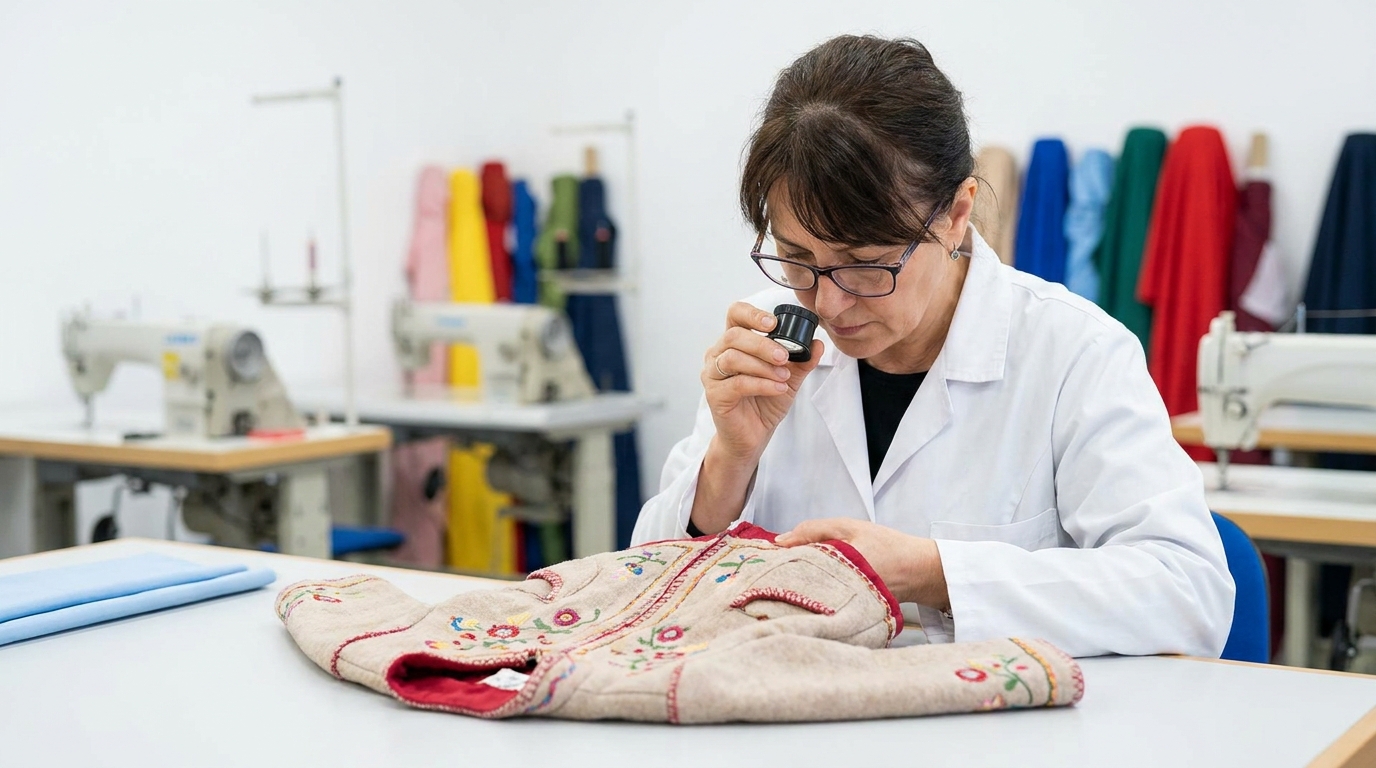
As we covered earlier, baby clothing requires strict safety protocols, while outerwear demands complex stitching. Finding a factory capable of meeting these specific demands is crucial. You must know exactly how to evaluate potential partners. Let’s explore the critical factors to consider when selecting your production partner.
Safety Standards and Fabric Quality
Children’s delicate skin absorbs substances very easily. Product safety must always remain your top priority. You need a reliable kids clothing manufacturer. They must source premium, non-toxic fabrics consistently. Look for organic cotton and breathable bamboo. These natural fibers prevent severe skin irritation. Nightclothes and sleepwear require special manufacturing attention. Factories must apply safe flame-resistant treatments. They must follow strict CPSIA regulations closely. Choking hazards pose another major risk. A trusted children’s clothing OEM factory secures all small parts. They test button attachment strength quite rigorously. They avoid using loose trims on infant garments. You should always request third-party lab tests. These independent reports verify safe lead, phthalate, and formaldehyde levels.
Relevant Experience and Specialization
A factory making basic t-shirts cannot always sew lined winter jackets. You need a partner with highly relevant experience. Ask for samples matching your exact product category. At Honry Kidswear, we leverage over 30 years of garment manufacturing experience. We specialize deeply in kids’ pants, dresses, and jackets. We also produce high-quality baby clothing and school uniforms. This broad expertise ensures we understand diverse production needs. Do not accept generic showroom samples. Request a specific pre-production sample. This proves they can handle your unique design requirements. You must also clarify the children apparel manufacturer MOQ early. This ensures their production scale aligns perfectly with your initial launch budget.
Stitching, Durability, and Sizing Consistency
Kids play incredibly hard every single day. Their clothes must withstand rough daily wear. Evaluate seam strength during your initial sample review. Check for reinforced stress points around the crotch and knees. Ask the factory for official wash-test reports. These documents prove the fabric resists pilling and excessive shrinkage. Sizing consistency is equally vital for brand trust. Inconsistent sizes frustrate parents quickly. Ask about their internal grading systems. Ensure they follow standardized sizing rules like ISO 3636. This guarantees a size 4T fits exactly like a 4T across every single production batch.
Ethical Labor Practices
Modern consumers care deeply about ethical production. Your brand reputation depends on responsible sourcing. A proper kidswear factory audit reveals vital operational details. It verifies fair working conditions and safe factory environments. Look for recognized global certifications. SEDEX and BSCI certifications indicate strong ethical labor practices. Environmental compliance also matters immensely. Factories should manage waste properly. They must dispose of fabric dyes safely. Partnering with an ethical supplier protects your brand image completely.
| Evaluation Factor | What to Verify | Why It Matters |
|---|---|---|
| Fabric Safety | CPSIA compliance, lead and phthalate tests | Prevents skin irritation and costly product recalls. |
| Factory Experience | Relevant pre-production samples | Ensures they can sew your specific garment designs. |
| Durability | Wash-test reports, reinforced seams | Guarantees clothes survive rough play and heavy washing. |
| Ethical Practices | BSCI or SEDEX certifications | Protects brand reputation and ensures fair labor conditions. |
Step-by-Step Guide: How to Choose a Reliable Kids’ Clothing Manufacturer for Your Brand
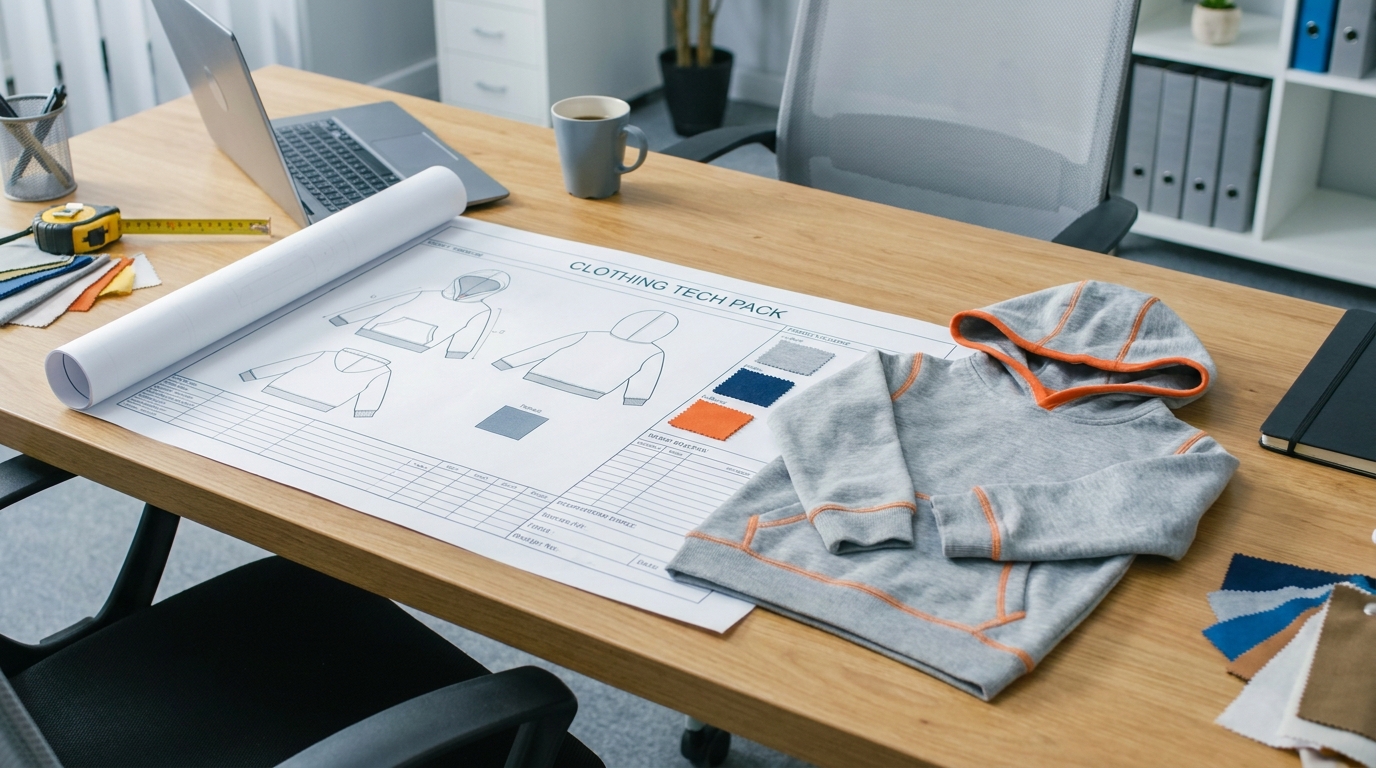
As we covered earlier, evaluating fabric safety, stitching durability, and ethical labor practices protects your brand. You know what factors matter most. Now, you need a clear action plan. Finding the right partner requires a systematic approach. Follow this step-by-step guide to secure a dependable production partner.
Step 1: Define Your Product Requirements
Start by creating a comprehensive tech pack. This document acts as your blueprint. Include detailed sketches and precise measurements. Specify your preferred fabrics clearly and accurately. Natural fibers work best for everyday wear. Mention your exact target age groups. Standardize sizes like 0–24 months for infants or 2T–8Y for toddlers. A clear tech pack prevents costly misunderstandings later. It shows factories you are a serious buyer. An experienced ODM kidswear manufacturer needs these exact details to provide accurate timelines.
Step 2: Prepare a Standardized Brief
You must compare factory quotes accurately. The “same brief” rule is essential here. Send the exact same tech pack to multiple candidates. This exposes different pricing assumptions immediately. One factory might exclude custom labels. Another might omit packaging costs entirely. Normalizing these quotes helps you spot hidden fees. Request an itemized Bill of Materials. Ensure delivery terms match perfectly across all quotes. Compare FOB prices directly against other FOB prices.
Step 3: Evaluate Minimums
You must understand the children apparel manufacturer MOQ clearly. Minimum Order Quantities dictate your inventory strategy. Mass production facilities often require 1,000 to 10,000 units. A flexible children’s clothing OEM factory might accept 300 units. Match these minimums directly to your launch budget. Do not overextend your finances on your first run. Negotiate flexible terms for smaller initial batches. This minimizes your financial risk during brand launch.
Step 4: Request Pre-Production Samples
Never commit to bulk production blindly. Always request a pre-production sample first. This physical sample proves their actual capabilities. Test the fabric hand-feel thoroughly upon arrival. Check the label placement for total accuracy. Verify colorfastness using standard AATCC protocols. Examine the overall finish and seam durability. At Honry Kidswear, we provide precise pre-production samples for pants, dresses, and jackets. Approve this sample before paying major deposits. A reliable kids clothing manufacturer always accommodates sample revisions.
Step 5: Perform a Kidswear Factory Audit
You must verify their operational legitimacy completely. A proper kidswear factory audit separates real manufacturers from traders. Check their legal business licenses first. Assess their true production capacity carefully. Review their on-site quality control processes. Always look for recognized third-party certifications. As discussed previously, BSCI and SEDEX verify ethical practices. Ask for factory videos if visiting remains impossible. Watch out for vague answers or refusal to share details.
| Selection Step | Key Action Required | Expected Outcome |
|---|---|---|
| 1. Define Requirements | Create a detailed tech pack and sizing charts. | Prevents production errors and miscommunication. |
| 2. Standardize Briefs | Send identical specs to all potential partners. | Reveals hidden costs and normalizes pricing. |
| 3. Evaluate Minimums | Confirm MOQ aligns directly with your budget. | Prevents over-ordering and inventory bloat. |
| 4. Request Samples | Test fabric hand-feel, colorfastness, and seams. | Proves factory capability before bulk commitment. |
| 5. Audit the Factory | Verify licenses, QC processes, and certifications. | Ensures ethical labor and operational legitimacy. |
Red Flags to Avoid When Selecting a Kids Clothing Manufacturer
As we covered earlier, a thorough kidswear factory audit separates legitimate partners from unreliable traders. You know how to verify licenses and request samples. However, you must also recognize immediate warning signs during your search. Knowing how to choose a reliable kids’ clothing manufacturer for your brand means spotting bad practices early. Let’s look at the biggest red flags that should make you walk away.
Poor Communication and Vague Answers
Effective production requires clear and consistent dialogue. Time zone differences naturally cause slight delays. However, constant communication gaps signal deeper operational issues. Watch out for suppliers who avoid direct questions. They might give vague answers about their specific production processes. A dependable ODM kidswear manufacturer provides transparent updates consistently. If they ignore your specific tech pack details now, they will ignore quality standards later. Language barriers should not prevent clear answers regarding critical safety steps.
Refusal to Provide Crucial Documentation
Safety compliance is completely non-negotiable for children’s apparel. Never trust a factory hiding its paperwork. They must provide a clear factory address and legal business names. Ask for third-party safety test reports immediately. If they cannot produce CPSIA or REACH compliance documents, walk away quickly. A trusted children’s clothing OEM factory shares these certificates willingly. At Honry Kidswear, we maintain complete transparency regarding our safety and ethical certifications. Hiding documentation often means the facility fails basic safety standards.
Unrealistic Pricing and Hidden Fees
Extremely low quotes look very tempting initially. They usually indicate severe quality compromises. As discussed previously, basic cotton onesies typically cost $1.50 to $3.00. If a supplier quotes $0.50, they are cutting major corners. They might use toxic dyes or skip essential safety testing entirely. These unrealistic prices often hide massive unexpected fees later. Suppliers might exclude packaging, testing, or custom label costs from the initial quote. Always compare quotes directly against the established market average.
Subcontracting Without Prior Notice
You audited a specific facility very carefully. You expect your garments produced right there. Some suppliers accept large orders and quietly outsource them. They send your designs to unverified, cheaper facilities. This unauthorized subcontracting destroys your quality control completely. It risks serious safety and compliance violations. You lose all visibility over ethical labor practices. Always include strict no-subcontracting clauses in your initial manufacturing contracts.
| Warning Sign (Red Flag) | What It Actually Means | Immediate Action to Take |
|---|---|---|
| Vague Communication | Lack of transparency or poor operational management. | Test responsiveness early; walk away if delays persist. |
| Missing Test Reports | Failure to meet strict global safety regulations. | Demand independent lab tests before paying any deposits. |
| Extremely Low Quotes | Use of cheap, toxic materials or hidden fees. | Compare itemized quotes against the standard market average. |
| Secret Subcontracting | Loss of quality control and ethical labor oversight. | Add strict penalty clauses against unauthorized outsourcing. |
Partnering with Honry Kidswear: Your Trusted OEM/ODM Expert
As we covered earlier, spotting warning signs like secret subcontracting and missing test reports protects your investment. You know exactly how to choose a reliable kids’ clothing manufacturer for your brand. Now, you need a partner who checks every single positive box. You need a transparent facility focused entirely on your success.
Decades of Industry Leadership
Finding a dependable factory takes significant time. We eliminate this guesswork completely. Honry Kidswear brings over 30 years of garment manufacturing experience to your project. We build strong relationships with global brands daily. Our team understands the exact challenges you face during production. We navigate complex supply chains efficiently. This deep industry knowledge ensures your apparel line launches smoothly and strictly on schedule.
Comprehensive OEM/ODM Services
Every apparel brand operates differently. Some need full design assistance immediately. Others arrive ready with detailed tech packs. We tailor our services to fit your exact operational needs. As a dedicated children’s clothing OEM factory, we handle everything from initial design concepts to final bulk production. Our team creates precise patterns quickly. We source premium fabrics directly. We manage every single manufacturing step under one roof. This comprehensive approach keeps your costs low and quality exceptionally high.
Diverse Product Expertise
You need a partner capable of growing alongside your product line. We specialize deeply in multiple high-demand categories. Our production lines craft durable kids’ pants and elegant dresses daily. We engineer weather-resistant jackets for harsh climates. We also produce ultra-soft baby clothing using safe materials. Institutional clients rely on us heavily for standardized school uniforms. This diverse expertise means you never juggle multiple suppliers. We manage your entire collection effortlessly.
Commitment to Quality and Safety
We discussed the dangers of unrealistic pricing earlier. Cheap manufacturing often sacrifices child safety completely. We refuse to compromise on quality. Our facility enforces stringent quality control protocols at every production stage. We verify seam durability and colorfastness rigorously. Every garment meets strict international safety standards before leaving our floor. We provide complete transparency regarding our testing processes. You can sell your products confidently in any global market.
| Service Area | What We Deliver | Direct Benefit to Your Brand |
|---|---|---|
| Industry Experience | Over 30 years of global manufacturing history. | Prevents costly production delays and errors. |
| OEM/ODM Solutions | End-to-end design, sourcing, and bulk production. | Streamlines operations under one reliable roof. |
| Product Diversity | Expertise in jackets, dresses, pants, and uniforms. | Allows your brand to expand categories easily. |
| Quality & Safety | Stringent QC and international standard compliance. | Guarantees child safety and protects brand reputation. |
Conclusion
Finding a reliable factory requires careful vetting and clear communication. Always balance your budget with strict product safety standards. Partner with an experienced manufacturer to build your fashion line.
- Finalize your tech packs with exact garment measurements.
- Contact Honry Kidswear to request a custom production quote.
- Order pre-production samples to verify fabric quality and safety.
- Schedule a factory audit to confirm ethical labor practices.
Frequently Asked Questions About Choosing a Kids’ Clothing Manufacturer
What is a normal minimum order quantity?
Most mass production factories require between 1,000 and 10,000 units. Middle-tier OEM producers usually ask for 300 to 1,000 units. Specialty organic makers might accept 200 to 500 units. Startups should look for flexible partners who support small batches. Honry Kidswear offers great OEM and ODM services. We have over 30 years of garment manufacturing experience. We can help you find the right order size.
How can I check the quality of kids’ clothes?
You should always request a relevant pre-production sample first. Check the stitching strength and look at reinforced stress points. Make sure the seams are very durable for active kids. You must also verify shrinkage rates and pilling resistance. Wash test reports show how the fabric holds up. Honry Kidswear specializes in high-quality pants, dresses, and jackets. We ensure strict quality control for every clothing batch.
What safety rules must children’s clothing follow?
Safety is the most important part of kids’ apparel. In the USA, clothes must pass strict CPSIA regulations. Sleepwear must also meet special flammability rules to prevent accidents. European markets require REACH compliance for safe chemical use. You should check third-party test reports for non-toxic dyes. Avoid choking hazards like loose buttons on baby clothing. Honry Kidswear safely crafts baby clothing for brands worldwide.
How do I avoid hidden costs from clothing factories?
Hidden costs often ruin a clothing brand’s tight budget. Some quotes might exclude testing, packaging, or specific trims. You should send the exact same brief to all candidates. This rule exposes different assumptions in their pricing models. Always normalize quotes to include labels and delivery scope. Check if the trade terms are EXW or FOB. Honry Kidswear provides clear pricing for all school uniforms.
Why is fabric choice crucial for children’s wear?
Kids have very sensitive skin that requires gentle materials. You should prioritize natural fibers like cotton and bamboo. These fabrics offer great breathability for active young children. Organic cotton sets usually cost between six and twelve dollars. You must verify lead, phthalate, and formaldehyde levels carefully. Certifications like OEKO-TEX and GOTS prove the textile safety. Our factory uses safe fabrics for all kids’ clothing.
Finding a great kids’ clothing manufacturer takes careful research. You must check their minimum order quantities and prices. Always verify safety standards like CPSIA and REACH compliance. Request pre-production samples to test the fabric and stitching. Honry Kidswear brings over 30 years of trusted experience. We create safe and durable apparel for global brands. Partner with us to build a successful children’s wear business.
- Create a detailed tech pack for your new designs.
- Contact Honry Kidswear to request an itemized production quote.
- Ask suppliers for their third-party safety test reports.
- Order a relevant sample to evaluate the garment quality.
