


Kids spend nearly forty percent of their childhood sleeping.
Balancing warmth, comfort, and safety in pajamas is tough.
In this post, you will learn how to choose warm and safe sleepwear for kids.
We cover safety rules, ideal fabrics, and manufacturing insights.
Understanding Kids Pajama Safety Standards
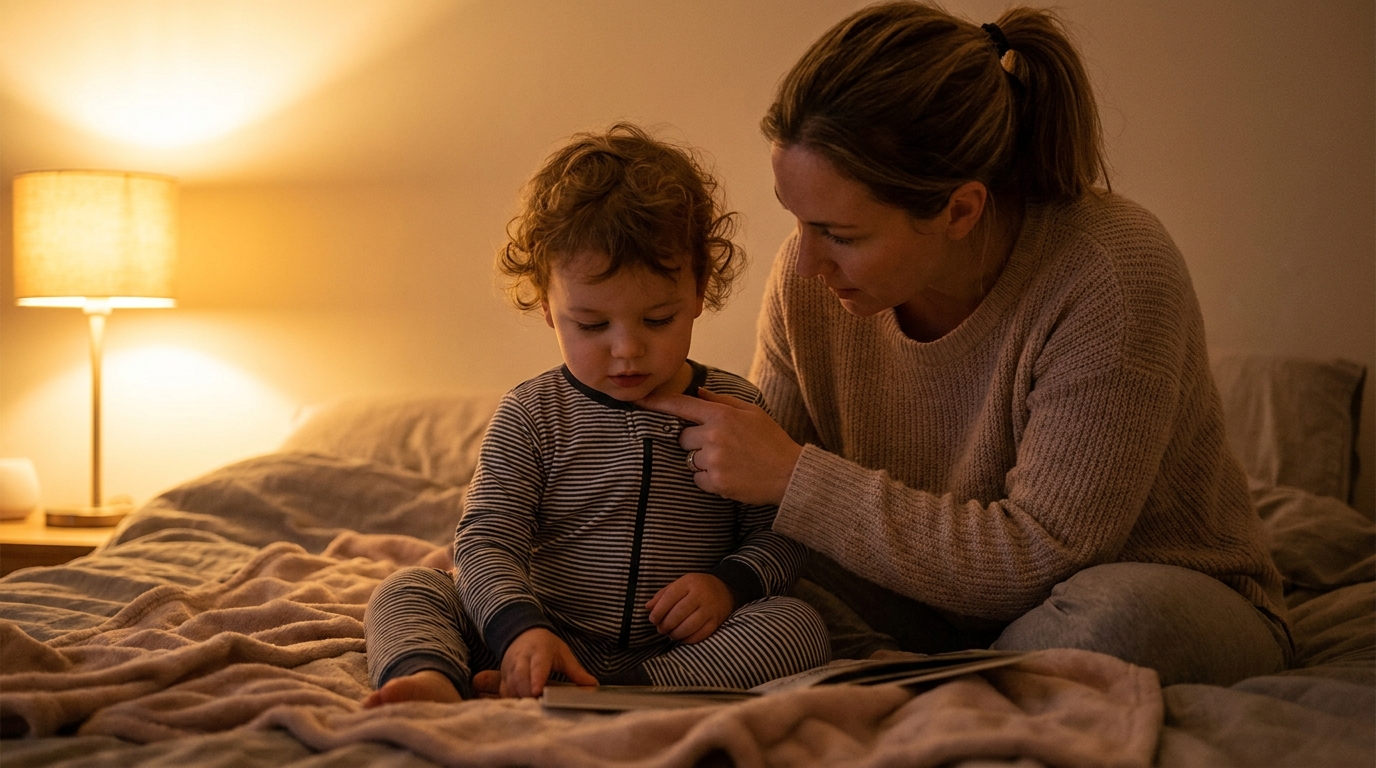
Since children spend nearly half their early years sleeping, their pajamas act as a second skin. This makes safety just as important as comfort. In the United States, the Consumer Product Safety Commission (CPSC) heavily regulates children’s sleepwear sizes 9 months through 14. These strict rules aim to protect kids from burn injuries. To pass these regulations, sleepwear must fall into one of two distinct categories.
Flame-Resistant vs. Snug-Fit Rules
Let’s look at flame resistant pajamas children wear. This label means the fabric can self-extinguish if exposed to a small flame. Manufacturers often use synthetic materials like polyester for these garments. Polyester is inherently resistant to catching fire. Sometimes, fabrics receive chemical treatments to pass strict CPSC flammability tests. These tests ensure the material stops burning once you remove the heat source. If you prefer a looser pajama cut, flame-resistant options are usually your only legal choice.
Many parents prefer untreated natural fabrics like cotton or bamboo. If you choose these materials, they must follow strict sizing rules. These are known as snug fit kids pajamas. They must fit tightly against your child’s body. A good rule of thumb is the “one finger” rule. You should not be able to fit more than one finger between the fabric and their skin. This tight fit minimizes the oxygen flow around the body. If the fabric catches fire, the lack of oxygen makes it much harder for flames to spread.
| Safety Category | Typical Materials | Fit Style | Fire Protection Mechanism |
|---|---|---|---|
| Flame-Resistant | Polyester, treated synthetics | Loose, traditional cut | Self-extinguishes, resists ignition |
| Snug-Fit | Cotton, bamboo (untreated) | Tight (One Finger Rule) | Restricts oxygen flow to flames |
Checking Physical Safety Features
Beyond flammability, you must check garments for other physical hazards. Excellent kids pajama safety relies on smart design choices. For example, drawstrings are completely banned in children’s sleepwear. They pose a severe strangulation risk. You also need to ensure all buttons and snaps are securely attached. Loose embellishments easily become choking hazards for curious toddlers.
Finally, look for protective zipper flaps or chin covers. These small fabric guards prevent cold metal zippers from pinching sensitive skin. At Honry Kidswear, we leverage over 30 years of OEM/ODM garment manufacturing experience in China to ensure every piece meets these rigorous standards. Whether producing baby clothing or school uniforms for global brands, we prioritize secure stitching and safe closures to protect your little ones.
Selecting the Best Kids Sleepwear Fabric
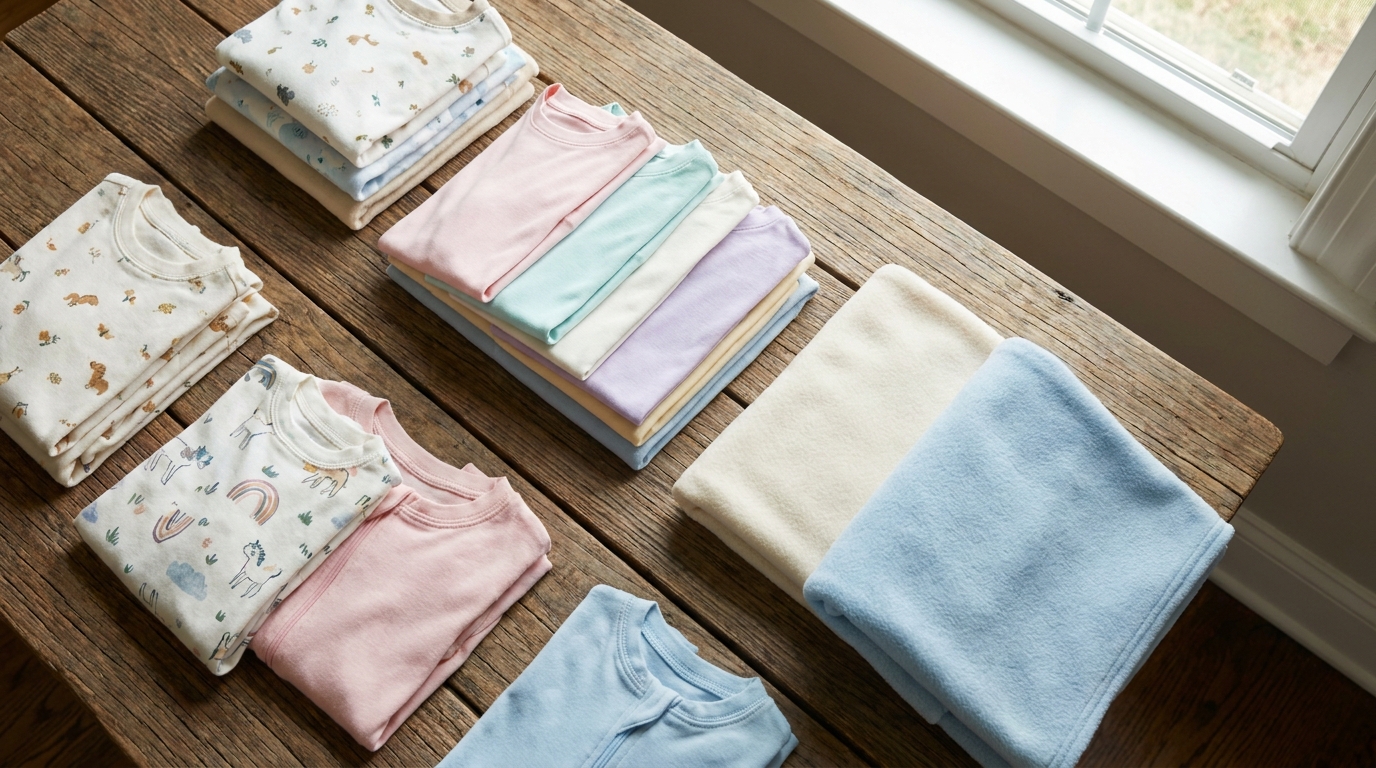
As we covered earlier, secure zippers and strict sizing rules keep your little ones safe. The right material is the true foundation of how to choose warm and safe sleepwear for kids. Material touches their sensitive skin for hours. It regulates body temperature and prevents midnight overheating. Let us explore the best options to help you build the perfect nighttime wardrobe.
Natural Comfort: Cotton, Bamboo, and Modal
Many parents turn to 100% organic combed cotton first. Cotton is a classic, highly breathable, and hypoallergenic choice. It works beautifully across multiple seasons. The material actually gets softer after every wash. Just remember to buy pre-shrunk cotton options. Untreated cotton can shrink significantly in the dryer.
If your child has eczema or sensitive skin, consider bamboo or TENCEL modal. These natural fibers are incredibly soft. They are naturally temperature-regulating and moisture-wicking. Bamboo pulls sweat away from the body fast. Kids wake up dry and comfortable. At Honry Kidswear, we frequently use these premium natural fibers. Our 30 years of OEM/ODM garment manufacturing experience ensures our baby clothing remains gentle on delicate skin.
Insulation for Cold Climates
Dropping temperatures require a different approach. You need excellent warm kids pajamas winter options. Microfleece and thermal knits are top contenders here. Microfleece provides outstanding thermal insulation for cold nights. The fabric traps body heat effectively. Thermal knit features a waffle texture. This texture creates tiny air pockets for extra warmth.
You must balance warmth and breathability. Synthetic fleece can sometimes trap too much heat. Look for high-quality blends to prevent sweating. They prevent toddlers from waking up restless. Layering a breathable sleep sack over a light cotton pajama often works best for infants.
Fabric Durability and Safety Certifications
Active sleepers test the limits of any kids sleepwear fabric. Children frequently toss, turn, and crawl during sleep. This friction causes pilling or holes in the knees. High-quality fabric weaving matters immensely for longevity. Tight knits resist wear and tear much better. You should always check the elastic recovery. Pull the waistband gently to test it. The elastic must snap back immediately.
Chemical safety is another major concern. Look for OEKO-TEX children sleepwear labels. This certification guarantees the material is free from harmful chemicals. It adds an extra layer of kids pajama safety. It gives parents total peace of mind. We strictly adhere to these global standards in our manufacturing process. We ensure every piece of clothing we produce meets high safety benchmarks.
| Fabric Type | Key Properties | Best Season | Skin Sensitivity |
|---|---|---|---|
| Organic Cotton | Breathable, durable, hypoallergenic | Year-round | Excellent |
| Bamboo / Modal | Moisture-wicking, temperature-regulating | Spring / Summer | Superior (Great for eczema) |
| Microfleece | High thermal insulation, lightweight | Winter | Good (Monitor for overheating) |
| Thermal Knit | Traps heat in waffle texture, breathable | Fall / Winter | Excellent |
The Importance of OEKO-TEX Children Sleepwear and Quality Manufacturing
As we just touched upon, chemical safety is non-negotiable for your child. Children spend up to forty percent of their early years in bed. Their pajamas remain in direct contact with their skin for hours. This constant exposure makes the OEKO-TEX certification crucial. It guarantees the fabric is completely free from harmful chemicals. Eco-conscious and health-focused parents always look for OEKO-TEX children sleepwear to ensure total safety. This standard eliminates worries about toxic dyes or heavy metals touching delicate skin.
Recognizing High-Quality Construction
Beyond chemical safety, physical construction defines a truly great garment. When you buy warm kids pajamas winter sets, you want them to withstand frequent washing. Start by examining the interior seams. Look for flat seams to prevent chafing on sensitive skin. Next, check the necklines. Tagless designs stop annoying scratching at the back of the neck. You should also verify the manufacturer uses colorfast dyes. This keeps bright patterns from bleeding in the wash. Finally, test the waistbands. High-quality elastic retains its shape after hundreds of stretches.
Honry Kidswear’s Manufacturing Expertise
Building this level of quality requires deep manufacturing expertise. Professional production makes a massive difference in everyday durability. At Honry Kidswear, we operate as a premier children’s apparel OEM/ODM factory in China. We bring over 30 years of garment manufacturing experience to every piece we create. We know exactly how to choose warm and safe sleepwear for kids. Our production teams apply strict quality control across every single manufacturing step.
We leverage these professional capabilities to support trusted global brands. Our factory specializes in much more than just nighttime apparel. We produce durable kids’ pants, elegant dresses, sturdy jackets, and comfortable school uniforms. We also craft premium baby clothing for worldwide markets. Every garment undergoes rigorous testing before it leaves our facility. We ensure secure stitching, safe closures, and chemical-free materials. This dedication to kids pajama safety means parents can always trust the final product.
| Quality Indicator | What to Look For | Why It Matters for Kids |
|---|---|---|
| Chemical Certification | OEKO-TEX Standard 100 label | Ensures no toxic dyes or harmful chemicals touch the skin. |
| Seam Construction | Flat, securely stitched seams | Prevents skin chafing and irritation during active sleep. |
| Label Design | Printed tagless labels | Stops scratching and sensory discomfort at the neckline. |
| Dye Quality | Colorfast treatments | Keeps fabrics looking new and prevents dye transfer. |
| Elastic Recovery | Waistbands snap back instantly | Maintains a secure, comfortable fit wash after wash. |
How to Choose Warm and Safe Sleepwear for Kids by Age Group
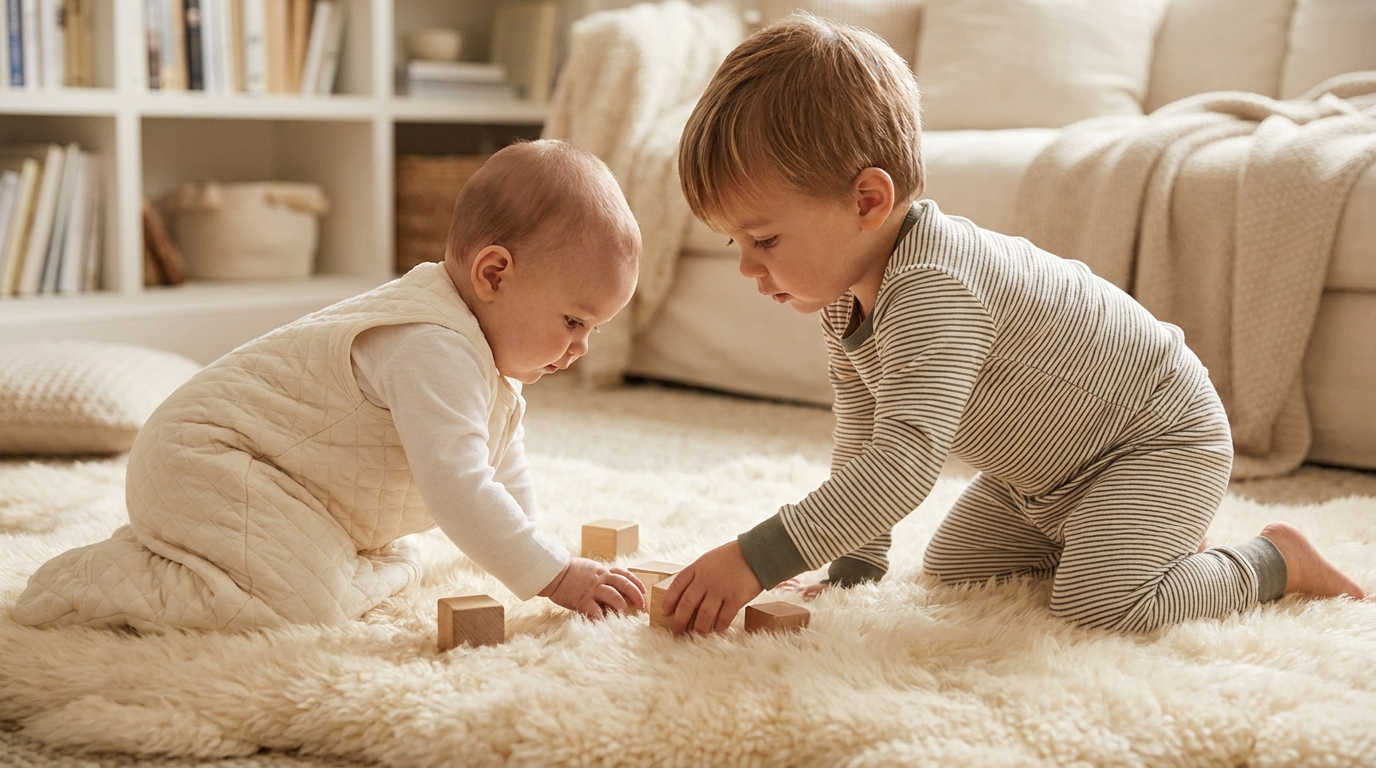
We just explored how quality manufacturing and chemical-free materials protect delicate skin. However, knowing how to choose warm and safe sleepwear for kids also depends heavily on their developmental stage. A newborn has vastly different needs than an active ten-year-old. You must adapt your choices as they grow. Let us break down the best sleepwear strategies for every age group.
Babies (0-12 Months): Prioritizing Simplicity and Access
Infants require the strictest safety measures during sleep. Loose blankets pose a severe suffocation risk in cribs. You should use wearable blankets or sleep sacks instead. They keep babies warm without ever covering their faces. For regular pajamas, choose snug footed sleepers.
Always look for two-way zippers on these garments. These inverted zippers zip from the top down to the ankle. They make midnight diaper changes incredibly easy. You can change them while keeping their chest completely warm. Avoid pajamas featuring hoods, drawstrings, or loose embellishments. At Honry Kidswear, our baby clothing lines prioritize these exact safety features. We ensure every piece supports secure sleep habits.
Toddlers (1-3 Years): Mobility and Potty Training
Toddlers never stop moving. They toss and turn constantly throughout the night. They need stretchy, breathable fabrics to accommodate their active sleeping styles. If you buy footed pajamas, always check the soles. They must have non-slip grippers. This simple feature prevents dangerous slips on hard floors during morning runs.
Around age two or three, potty training usually begins. You should transition from one-piece sleepers to two-piece sets. This switch helps toddlers use the bathroom quickly. It reduces frustrating nighttime accidents. Two-piece sets also let you mix sizes easily. This helps if your child has different top and bottom proportions.
Preschool and Elementary (4-10 Years): Durability and Independence
Older children start developing strong opinions about their clothes. Involve them in picking fun, safe designs. This makes bedtime routines much smoother. At this age, kids pajama safety still matters, but durability becomes equally important. Kids play on the floor right before bed. They need pajamas featuring reinforced, durable knees.
Sensory issues often peak during these elementary years. Stick to tagless labels and flat seams. This prevents complaints about itchy or scratching clothes. You should also buy mix-and-match seasonal separates. Pair short sleeves with long pants for unpredictable transitional weather. It gives kids control over their own comfort.
| Age Group | Best Pajama Style | Key Feature to Look For | Primary Benefit |
|---|---|---|---|
| 0-12 Months | Sleep sacks, footed sleepers | Two-way inverted zippers | Allows easy diaper changes while retaining body heat. |
| 1-3 Years | Two-piece sets, footed sleepers | Non-slip soles (grippers) | Prevents falls and supports early potty training efforts. |
| 4-10 Years | Mix-and-match separates | Tagless labels, durable knees | Withstands active play and prevents sensory irritation. |
Getting the Right Fit: Sizing and Style Tips
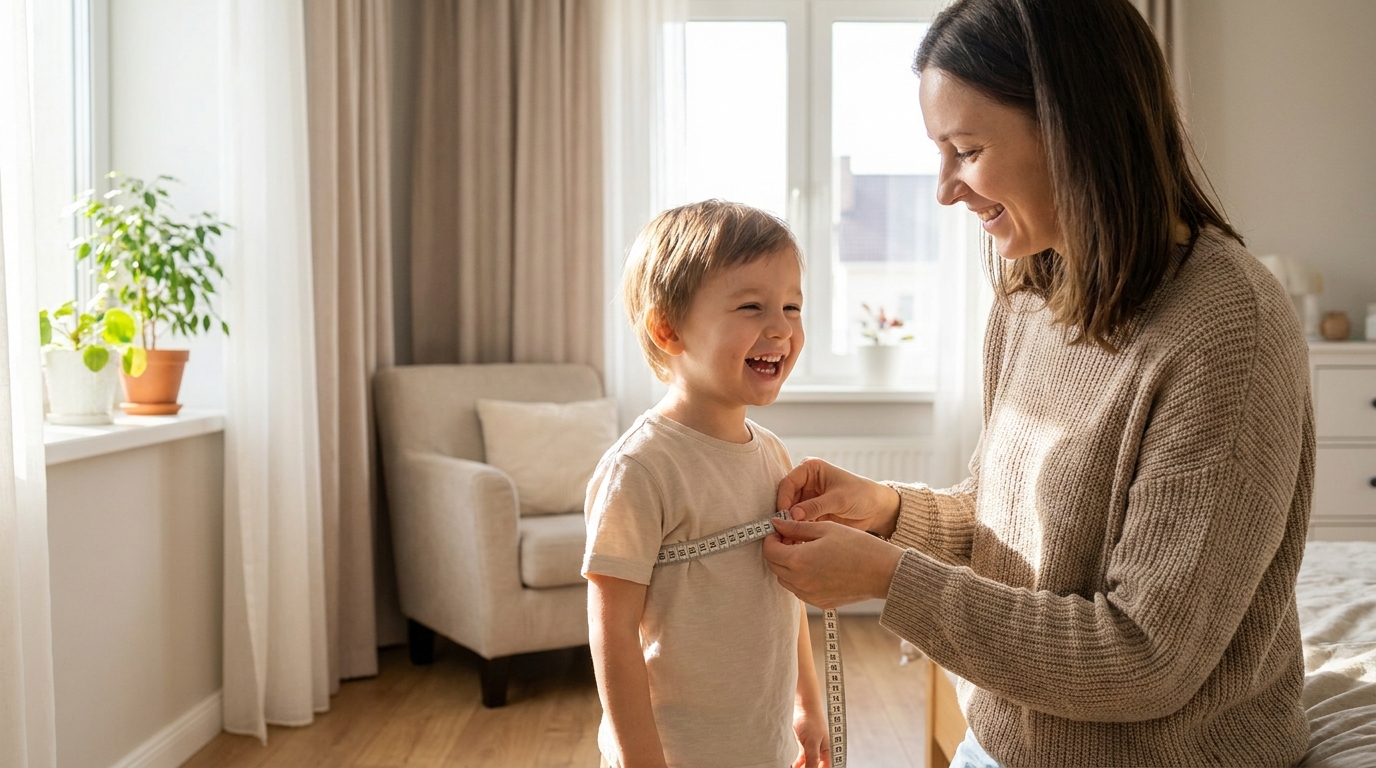
We just looked at how your child’s age dictates the best pajama styles. Now, you must focus on getting the exact right size. Figuring out how to choose warm and safe sleepwear for kids means abandoning a common parenting habit. You cannot simply buy a size up. Proper sizing directly impacts both comfort and nighttime safety.
The Danger of Buying a Size Up
Parents love buying clothes a little too big. It saves money because children grow incredibly fast. You must never do this with sleepwear. Leaving room to grow seriously compromises safety. Loose fabric traps extra air around the body. This extra oxygen easily feeds flames if the garment catches fire. As we covered earlier, untreated natural fabrics must follow strict flammability rules. A baggy pajama completely defeats the purpose of these regulations. You must stick to their current size to ensure maximum protection.
Measuring for Snug Fit Kids Pajamas
You need accurate measurements to buy proper snug fit kids pajamas. Grab a flexible measuring tape before you shop. Measure your child’s chest, waist, and total height. The chest measurement matters most for pajama tops. Measure just under their arms around the fullest part. For bottoms, measure their natural waistline. Once they put the pajamas on, do a quick physical test. Slide your index finger between the fabric and their skin. You should feel slight resistance. If you can fit two fingers easily, the garment is dangerously loose.
Reading Size Charts and Shrinkage
Every brand uses a slightly different size chart. Always check specific measurements rather than relying on standard age labels. A “4T” label varies wildly between different manufacturers. You must also account for fabric shrinkage. Natural fibers like organic cotton shrink during their first hot wash. High-quality brands pre-shrink their fabrics to minimize this exact issue. At Honry Kidswear, our 30 years of garment manufacturing experience helps us perfect this process. We carefully calculate shrinkage rates for our baby clothing and kids’ apparel. This strict quality control ensures the garment maintains its safe, tight fit wash after wash.
Seasonal Wardrobe Strategies
Your sizing and style choices must adapt to changing seasons. You need a flexible pajama wardrobe to prevent overheating or shivering. For summer months, choose lightweight, short-sleeve sets. Bamboo and thin cotton work perfectly here. They wick away sweat and keep kids comfortably cool. When temperatures drop, you need excellent warm kids pajamas winter options. Switch to long-sleeve thermal knits or microfleece sets. You still need to keep the fit close to the body. This traps natural body heat without requiring heavy, unsafe blankets.
| Season | Ideal Fabric | Recommended Style | Fit Consideration |
|---|---|---|---|
| Summer | Bamboo, Lightweight Cotton | Short-sleeve tops, shorts | Tight fit, highly breathable |
| Spring / Fall | Organic Cotton, Jersey | Long-sleeve tops, light pants | Snug fit, accounts for minor shrinkage |
| Winter | Thermal Knit, Microfleece | Footed sleepers, heavy two-piece sets | Close to body to trap heat effectively |
Care and Maintenance for Long-Lasting Sleepwear
We just covered how proper sizing and seasonal fabric choices keep your child comfortable. However, buying the perfect pajamas is only the first step. You must care for them correctly to maintain their safety features. Figuring out how to choose warm and safe sleepwear for kids includes knowing how to wash it. Always wash new pajamas before your child wears them. Garments collect dust during manufacturing and shipping. A quick pre-wash removes any lingering residues. Turn the clothes inside out before tossing them in the machine. This simple trick protects vibrant prints and reduces surface pilling.
Protecting Flame-Resistant Treatments
You must handle treated fabrics with extreme care. If your child wears the flame resistant pajamas children love for their looser fit, skip the fabric softener. Softeners coat synthetic fibers with a waxy residue. This coating masks the flame-retardant properties. It makes the garment highly flammable over time. You must also avoid bleach. Bleach breaks down chemical treatments quickly. Use a mild detergent instead. This keeps the protective features intact wash after wash. Parents should replace these treated garments after roughly fifty washes. The safety chemicals naturally degrade beyond this point.
Washing Natural Fibers
Natural fabrics require entirely different handling. Untreated cotton and bamboo follow strict snug-fit rules. You want to prevent excessive shrinking. Always wash these natural materials in cold water. Hot water damages the fibers and alters the carefully designed fit. Tumble dry them on a low heat setting. You can also lay them flat to air dry.
We understand these material behaviors deeply at Honry Kidswear. Through our 30 years of OEM/ODM garment manufacturing experience, we test fabrics relentlessly. We calculate exact shrinkage rates for our baby clothing and kids’ apparel. This ensures the garments retain their original shape when you follow basic care instructions.
| Sleepwear Category | Washing Temperature | Drying Method | Strict Restrictions |
|---|---|---|---|
| Flame-Resistant (Polyester) | Warm or cold water | Tumble dry low | No fabric softeners, no bleach |
| Snug-Fit (Cotton/Bamboo) | Cold water only | Tumble dry low or air dry | Avoid high heat to prevent shrinking |
| Winter Fleece | Cold water | Air dry preferred | No high heat (prevents melting fibers) |
Knowing When to Replace Pajamas
Even the highest quality pajamas eventually wear out. You need a solid replacement cycle. Maintain an active rotation of three to four sets to extend their lifespan. Check the garments regularly for signs of fatigue. You should discard sleepwear immediately if you notice specific wear patterns.
- Worn-out elastic: Pull the waistband gently. If the elastic feels brittle or fails to snap back, throw the pants away. Loose waistbands pose a tripping hazard.
- Thinning fabric: Inspect high-stress points like the knees and crotch. Thinning fabric loses its ability to trap heat. It compromises the thermal insulation your child needs.
- Outgrown sizes: Replace any pajamas your child outgrows. Tight pajamas restrict movement. Loose ones become a severe fire risk.
- Broken closures: Check all zippers and snaps. Missing teeth or loose buttons create dangerous choking hazards for toddlers.
Conclusion
Choosing safe kids’ sleepwear brings true peace of mind. Always prioritize CPSC standards and proper fit. Great fabrics ensure their nightly comfort. Brands can trust Honry Kidswear for premium manufacturing. We offer 30 years of OEM/ODM expertise in China.
- Check current labels for CPSC safety compliance.
- Measure your child for exact garment sizing.
- Contact Honry Kidswear for custom wholesale apparel.
Frequently Asked Questions About Warm and Safe Sleepwear for Kids
Why do kids’ pajamas need to be snug-fitting?
Snug-fit pajamas reduce the air between fabric and skin. This design lowers fire risks naturally. Untreated cotton must meet strict CPSC dimensions. Parents often prefer this over chemical treatments. The one finger rule ensures a proper fit. You should only fit one finger under the fabric. It keeps your child safe and comfortable.
Are flame-retardant chemicals in sleepwear safe?
Flame-resistant sleepwear passes strict flammability tests. Treated fabrics are safe under CPSC guidelines. However, some parents worry about chemical exposure. If you prefer avoiding chemicals, choose snug-fitting cotton. Always wash treated pajamas without fabric softeners. Softeners can coat fibers and ruin the flame resistance. Honry Kidswear ensures baby clothing meets global safety standards.
What is the best fabric for sensitive skin?
Organic combed cotton is excellent for sensitive skin. Bamboo viscose is another fantastic choice for kids. These natural fibers are highly breathable and hypoallergenic. They prevent the overheating caused by synthetic fabrics. Avoid rough seams and scratchy tags. Look for flat seams and tagless labels instead. Honry Kidswear crafts gentle baby clothing with expert care.
How often should I wash my child’s pajamas?
You should wash kids’ pajamas after two or three wears. Wash them immediately if an accident occurs. Turn the sleepwear inside out before washing. This simple trick protects prints and reduces pilling. Avoid using fabric softeners on any flame-resistant items. Replace pajamas when the elastic wears out completely.
How can I make midnight diaper changes easier?
Look for sleepwear featuring two-way inverted zippers. These zippers open smoothly from top to bottom. You can change diapers while keeping your baby warm. Zipper guards and chin covers add extra safety. Avoid outfits with complex buttons or snaps. Smart designs make nighttime routines much less stressful.
- Check your child’s current pajamas using the one-finger rule.
- Sort out and discard sleepwear with worn-out elastic.
- Switch to two-piece sets during the potty training phase.
- Inspect zippers and seams for potential skin irritation points.
Selecting the right sleepwear ensures your child stays secure. Focus on breathable fabrics to prevent uncomfortable overheating. Always follow safety guidelines regarding snug fits or treatments. Remember to check for smart features like two-way zippers. Experienced makers like Honry Kidswear provide lasting comfort. Good pajamas make bedtime easier for kids and parents.
